
Why Your DIY Dryer Vent Cleaning Might Be Making Things Worse
Inspect your dryer vent system at least once a year by disconnecting the vent from the back of your dryer and looking for lint buildup, restricted airflow, or damage—if you spot thick lint accumulation more than a few inches deep or your vent runs longer than 25 feet with multiple turns, professionals like this company have specialized equipment that reaches what standard brushes cannot. Purchase a dryer vent cleaning kit with flexible rods and rotating brushes from your local hardware store for straightforward vents shorter than 15 feet with minimal bends, which typically cost $20-$40 and handle basic maintenance effectively. Test your current dryer efficiency by running a normal cycle and checking if clothes dry completely in one cycle, as extended drying times signal dangerous lint blockages that increase fire risk and energy costs by up to 30%. Schedule professional cleaning every 1-3 years depending on household size and dryer usage, particularly if you notice burning smells, excessive heat, or if your vent exits through the roof or travels through walls where DIY tools cannot reach safely.
The decision between tackling this maintenance task yourself or bringing in certified experts ultimately depends on your vent configuration, comfort level with home maintenance, and how long it has been since the last thorough cleaning. Both approaches have merit when applied to the right situation, and understanding the capabilities and limitations of each helps you make the choice that keeps your home safe while respecting your budget and time.
What Actually Happens During Professional Dryer Vent Cleaning
The Tools Professionals Bring (That You Probably Don’t Have)
Here’s where professionals really shine – and honestly, it’s not about being more skilled than you. It’s about having gear that most of us simply wouldn’t invest in for a once-a-year task.
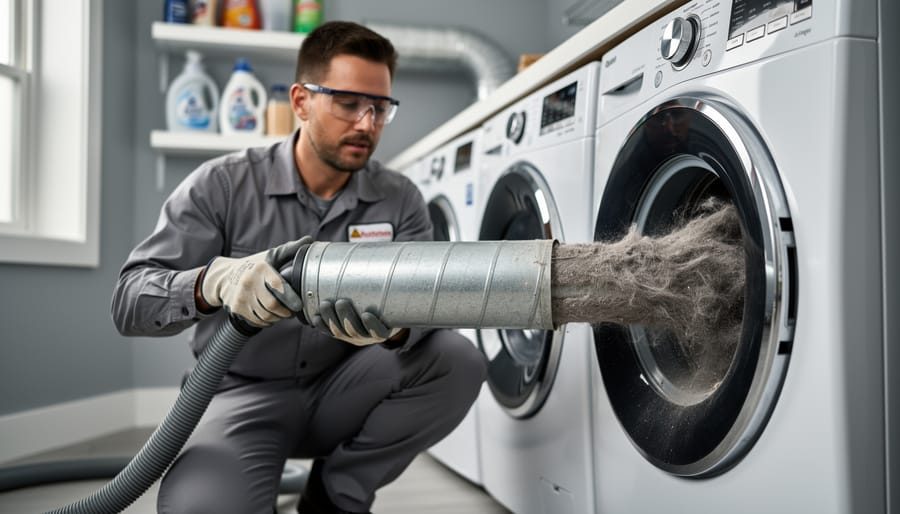
Professional dryer vent cleaners arrive with rotary brush systems that spin at high speeds while traveling through your ductwork, scraping away lint buildup from every angle. These aren’t the flexible rods you can pick up at the hardware store – they’re industrial-grade tools designed to navigate turns and tackle stubborn accumulations that basic brushes just push around.
The vacuum systems professionals use pack serious power, often measured in CFM (cubic feet per minute) ratings that dwarf what your shop vac can handle. This suction captures dislodged debris before it can resettle or worse, blow back into your home.
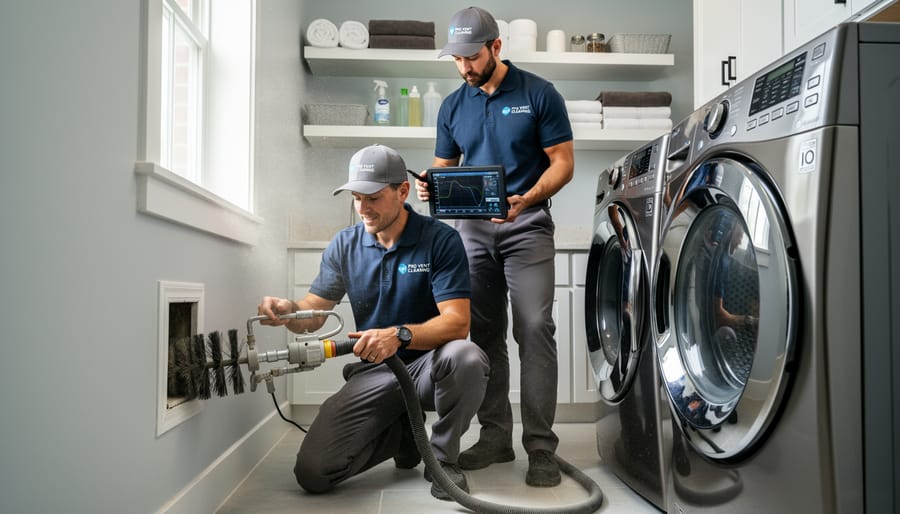
Many certified professionals now use inspection cameras – small, flexible scopes that travel through your entire vent system. This lets them see blockages, damage, or disconnected sections that would otherwise remain hidden. It’s like the difference between guessing what’s behind a wall and actually looking inside.
Perhaps most telling are airflow meters, which measure ventilation efficiency before and after cleaning. This gives you concrete data about improvement rather than just trusting that things look cleaner. These diagnostics help identify underlying problems like crushed ducts or improper installations that simple cleaning won’t fix.
The investment in this equipment easily runs into thousands of dollars – which explains why DIY methods, while useful for maintenance, can’t quite match professional thoroughness.
Hidden Problem Areas Only Experts Can Reach
Your dryer vent system likely has more complexity than you might realize. While the visible lint trap is straightforward to clean, the real challenges lurk behind walls and outside your home. Professional technicians regularly encounter vents that run 20 to 30 feet through attics, crawl spaces, or multiple stories, areas that simply aren’t accessible with basic DIY tools.
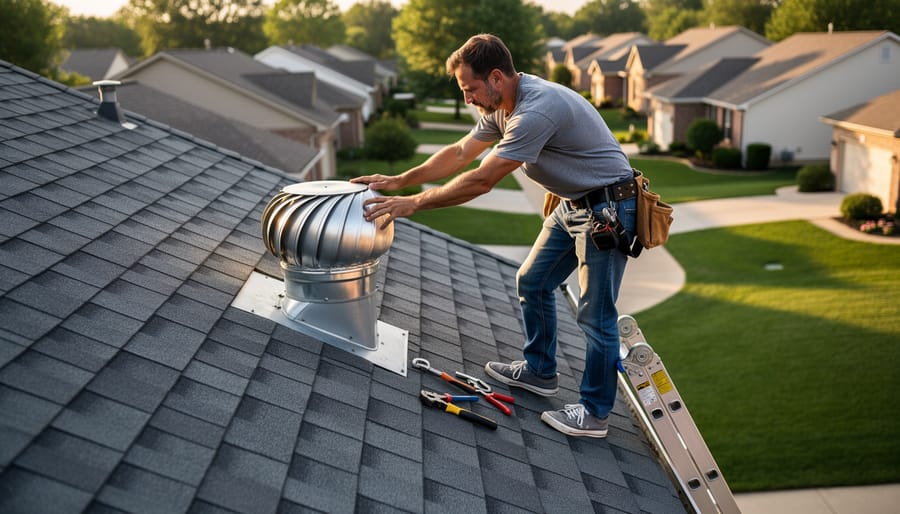
Roof terminations present particular challenges. If your dryer vents through the roof, you’re dealing with both height and potential weather damage that requires specialized equipment and safety gear. Exterior wall vents often become clogged with debris, bird nests, or weather-related buildup that needs professional removal. Multiple 90-degree bends in your ductwork create notorious lint accumulation zones that standard brush kits can’t adequately address.
Certified professionals use specialized cameras, extended rotary brush systems, and high-powered vacuums designed specifically for these problem areas. They understand proper vent maintenance protocols for different configurations and can identify structural issues like crushed ducts or improper installations that homeowners typically miss. When vents run through shared walls in townhomes or condos, professional expertise becomes even more crucial for thorough, safe cleaning without causing damage.
The Real Costs of DIY Dryer Vent Cleaning
What Your Dryer Vent Brush Kit Can (and Can’t) Do
Those brush kits you’ll find at your local hardware store can be genuinely helpful for straightforward vent maintenance, but it’s important to understand what they can realistically accomplish. Most kits come with flexible rods and rotating brushes designed to dislodge loose lint from shorter, relatively straight vent runs. If your dryer sits close to an exterior wall with minimal twists and turns, these tools can handle basic cleaning quite well.
The challenge comes when you’re dealing with longer vent systems or those with multiple bends and turns. The flexible rods can struggle to navigate complex pathways, and you might find yourself pushing lint further into the system rather than removing it. That compacted lint that’s been building up for years? It’s often packed so tightly that standard brushes simply can’t break through it effectively.
Here’s what many homeowners discover: DIY kits work best as maintenance tools between professional cleanings rather than as a complete solution. They’re perfect for keeping things tidy if you’re already on top of regular maintenance, but they typically can’t match the power and reach of professional equipment.
Think of it like vacuuming your floors versus having them professionally deep-cleaned. Your vacuum handles daily maintenance beautifully, but sometimes you need specialized tools for a thorough job. Certified professionals often collaborate with homeowners to create maintenance schedules that blend DIY upkeep with periodic professional service, giving you the best of both worlds while keeping costs manageable.
The Safety Risks Most Homeowners Don’t Consider
Let’s talk about something that doesn’t always make it into DIY tutorials: the risks that catch even experienced homeowners off guard. While cleaning your dryer vent might seem straightforward, there are several safety considerations worth understanding before you grab that brush kit.
First, there’s the access issue. Many dryer vents exit through the roof, which means you’re looking at ladder work and potentially slippery surfaces. Even if you’re comfortable with heights, roof access carries inherent risks that professionals navigate daily with proper safety equipment and training.
Here’s something that surprises many DIYers: you can actually damage your vent system with improper technique. Using the wrong brush type or applying too much force can tear flexible ducting or disconnect joints you can’t see. What started as a cleaning project might end up requiring repairs you didn’t anticipate.
Perhaps the biggest concern is incomplete cleaning. When you dislodge lint but don’t fully remove it, you’ve essentially rearranged the problem. This creates a false sense of security while potentially making matters worse. Disturbed lint can resettle in areas that restrict airflow even more than before, and loose clumps near the heating element actually increase fire risk.
Certified professionals bring specialized tools like rotary brush systems and high-powered vacuums that capture lint as it’s removed, not just push it around. They also inspect the entire system for damage or code violations you might miss. Sometimes, partnering with experts isn’t about capability, it’s about comprehensive safety.
When DIY Makes Sense (And When It Absolutely Doesn’t)
Simple Vent Systems Where DIY Can Work
Good news: not all dryer vent situations require professional intervention. If your setup is relatively simple, you can absolutely tackle routine maintenance yourself and feel confident about the results.
DIY cleaning works beautifully for short vent runs, typically under 10 feet, with minimal bending. If your dryer sits close to an exterior wall with a straight shot to the outside, you’re looking at a perfect candidate for the DIY approach. Similarly, ground-level terminations are much safer and easier to access than rooftop vents, making them ideal for homeowners who want to handle their own maintenance.
Newer installations also lend themselves well to DIY care. If your vent system was recently installed with smooth, rigid metal ducts rather than flexible ribbed ones, lint accumulates more slowly and cleaning is more straightforward. You’ll likely find the process pretty manageable with a basic brush kit and your household vacuum.
Perhaps the best use of DIY cleaning is for annual preventive maintenance. Even if you’ve had a professional deep-clean, maintaining the system yourself between professional visits keeps things running smoothly. Think of it like changing your air filter versus servicing your entire HVAC system—regular attention prevents bigger problems.
The key is knowing your limits. Simple systems? You’ve got this. Complicated configurations? That’s when collaborating with certified professionals makes sense.
Red Flags That Scream ‘Call a Professional’
Some situations are like smoke signals from your dryer, telling you it’s time to call in the pros. Recognizing these red flags can save you from potential hazards and help you make the smartest choice for your home.
If your clothes are taking noticeably longer to dry, especially heavy items like towels and jeans, that’s your dryer’s way of saying the vent needs professional attention. When a load that used to take one cycle now needs two or three, lint buildup is likely restricting airflow beyond what a basic DIY cleaning can handle.
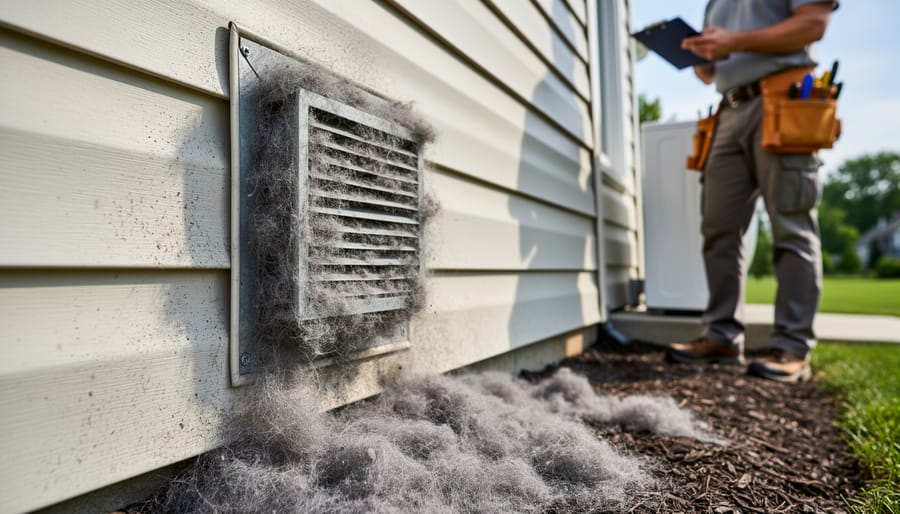
A burning smell is an immediate cause for concern. While it might be tempting to investigate yourself, this signals dangerous lint accumulation near heating elements. Turn off your dryer and schedule professional cleaning right away. Similarly, if you notice your laundry room feeling unusually hot or humid during drying cycles, or if you see excessive lint around the exterior vent opening, these indicate serious airflow problems.
The complexity of your vent system also matters. If your vent runs longer than 15 feet or includes multiple 90-degree turns, you’ll need specialized equipment that most homeowners don’t have. Professional technicians use rotary brush systems and high-powered vacuums designed specifically for navigating these challenging configurations.
Second-story installations present unique challenges too. Reaching these vents safely requires proper ladders and equipment, making professional service the practical choice.
Finally, if you spot moisture around your dryer or dampness in walls near the vent, don’t wait. This indicates poor ventilation that could lead to mold growth and structural damage. Certified professionals can diagnose the underlying issue and ensure your system is working safely and efficiently, giving you peace of mind and protecting your home investment.
What to Expect When Hiring Professional Dryer Vent Cleaning Services
How to Spot a Qualified Professional (Not Just Someone With a Vacuum)
Finding the right professional for your dryer vent cleaning is like choosing any home service expert—credentials matter, and they’re easier to verify than you might think.
Start by looking for certifications from reputable organizations. The Chimney Safety Institute of America (CSIA) and the National Air Duct Cleaners Association (NADCA) both certify professionals who’ve demonstrated proper training and knowledge. These aren’t just fancy acronyms—they represent real expertise in ventilation systems and safety protocols. When you’re investing in professional cleaning, these certifications give you confidence that the person knows what they’re doing.
Insurance is non-negotiable. Any qualified professional should carry both liability insurance and workers’ compensation coverage. Don’t hesitate to ask for proof—legitimate providers expect this question and readily provide documentation. This protects you if something goes wrong during the service.
Experience indicators include years in business, customer reviews on multiple platforms, and willingness to explain their process. A good professional will walk you through what they’ll do and why, not just show up with equipment and get to work silently.
Watch out for these red flags: extremely low prices that seem too good to be true, lack of proper licensing, refusal to provide references, or high-pressure sales tactics. Be wary of anyone who can’t explain their process clearly or won’t provide a written estimate.
Remember, you’re trusting this person with your home’s safety. Taking time to verify credentials isn’t being picky—it’s being smart.
Typical Pricing and What It Actually Includes
Professional dryer vent cleaning typically ranges from $100 to $250 for most homes, though you might see quotes outside this range depending on your specific situation. Understanding what affects these costs helps you evaluate whether the investment makes sense for your home.
Several factors influence the final price. Vent length plays a major role—a simple 8-foot run from your dryer to an exterior wall costs considerably less than a 30-foot system that winds through multiple floors. Accessibility matters too. If your technician needs to climb onto the roof or navigate tight crawlspaces, expect additional charges. The severity of blockage also impacts pricing; a routine cleaning costs less than addressing years of neglected buildup that requires specialized equipment.
A standard service should include a thorough inspection of your entire vent system, removal of lint and debris from both the dryer connection and exterior vent, cleaning of the transition hose, and an airflow test to confirm proper function. Reputable professionals often provide before-and-after photos and explain any issues they discover.
Watch for potential add-ons that might increase your bill. These include bird nest removal (often $50-$150 extra), damaged vent repairs, or replacement of crushed or improper transition hoses. Some companies charge travel fees for rural areas or offer discounts for combining dryer vent cleaning with other home maintenance services.
When working with certified professionals, don’t hesitate to ask exactly what’s included in their quote. Transparency about pricing helps you compare services accurately and avoid surprise charges.
The Hybrid Approach: Combining DIY Maintenance With Professional Service
Monthly and Quarterly Tasks You Can Handle Yourself
Between professional cleanings, you can maintain your dryer’s efficiency with some straightforward monthly and quarterly tasks that take just minutes. Think of these as part of your regular home care routine, like other cleaning staples you already use.
Start by removing and thoroughly cleaning your lint trap after every load. Monthly, take a few extra minutes to vacuum around the lint trap housing where debris accumulates beyond the screen’s reach. A narrow vacuum attachment works perfectly for this.
Every quarter, walk outside and check your exterior vent flap. It should open freely when the dryer runs and close completely when off. Clear away any lint buildup, leaves, or even bird nests that might block airflow.
Pay attention to performance indicators that signal problems. If your clothes take longer than usual to dry, feel excessively hot, or the dryer exterior gets warm to the touch, these are red flags. Similarly, a musty smell on supposedly clean clothes often points to ventilation issues.
While these DIY tasks help maintain efficiency, they complement rather than replace professional deep cleaning. When you notice declining performance despite regular maintenance, it’s time to consult certified dryer vent cleaning professionals who can address buildup you cannot safely reach.
Creating Your Professional Cleaning Schedule
Finding the right cleaning rhythm for your dryer vent isn’t one-size-fits-all, but there’s a solid framework you can follow. For most households, scheduling an annual professional cleaning serves as your baseline. Think of it as your yearly maintenance checkup, similar to servicing your HVAC system.
However, your household might need more frequent attention. If you’re running four or more loads weekly, have a family of five or more, or own a long or complex vent system with multiple bends, consider professional cleaning every six months. These situations create more lint buildup faster than average.
Between professional visits, you can maintain efficiency with monthly DIY maintenance. Simply disconnect and clean your lint trap housing and check the exterior vent opening for visible blockages. This approach blends practicality with safety.
Here’s a helpful tip from certified dryer vent professionals: keep a simple log noting when you last cleaned your vent and any warning signs like longer drying times or unusual heat. This documentation helps you spot patterns and adjust your schedule accordingly.
For those with shorter, straight vents and lighter laundry volumes, extending professional cleanings to 18 months might work, but never skip beyond two years. Safety always comes first in creating your personalized maintenance plan.
Here’s the truth: choosing between professional dryer vent cleaning and DIY isn’t about capability or admitting defeat. It’s about making a smart home maintenance decision based on your unique situation. Both approaches have genuine value when applied in the right context.
If your vent is short, accessible, and you’re comfortable working with the necessary tools, DIY can be a cost-effective choice for annual maintenance. You’ll save money and gain satisfying hands-on knowledge about your home’s systems. However, if you’re dealing with long runs, multiple bends, roof vents, or if it’s been years since your last cleaning, professionals bring specialized equipment and expertise that simply can’t be replicated with consumer-grade tools.
Take an honest inventory of your situation. Consider your vent’s complexity, your comfort level with the task, and the time since your last thorough cleaning. Remember, this isn’t just about saving money—it’s about protecting your home and family from fire hazards while keeping your dryer running efficiently.
Ready to take action? If you’re leaning toward professional service, reach out to certified technicians in your area for quotes. If DIY feels right, gather your supplies and set aside a weekend morning. Either way, you’re making a proactive choice that benefits your home. The important thing is that you’re addressing this critical maintenance task, regardless of which path you choose.