
How to Use the JCP&L Energy Efficiency Program to Save on Appliances at Home
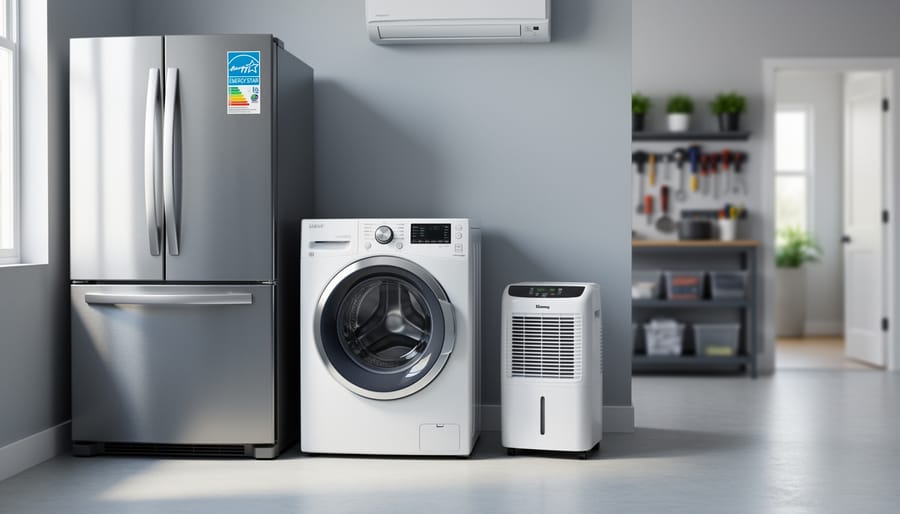
JCP&L’s energy efficiency program is really a handful of options under one roof, and you can start using them today with nothing more than an online account. Appliance Rebates help when you’re buying ENERGY STAR certified refrigerators, clothes washers, electric dryers, room air conditioners, dehumidifiers, or heat pump water heaters. Appliance Recycling hauls away your old second refrigerator, freezer, room AC, or dehumidifier, recycles it, and offers an incentive for turning it in. Whole Home Energy Solutions sends a participating BPI certified auditor through your single family home for a full audit, and you may qualify for rebates on the improvements they recommend. Registering for an online account also unlocks the Home Energy Analyzer, a good first stop for seeing where your energy goes.
The beauty of this program is that it rewards the upgrades you were probably already eyeing. That dusty garage fridge, the wheezing window unit, the dated water heater: each one is a chance to save energy and refresh your space. Eligibility and rebate details change, so always confirm them with JCP&L before you buy. Below, we’ll walk through what to prepare, how to stay safe, the steps in order, and how to check that everything worked.
What the JCP&L Energy Efficiency Program Offers Homeowners
Which Appliances Qualify for Rebates and Recycling
Not every appliance in your home qualifies for the same perks, so it helps to know which program fits which item. JCP&L splits things into two buckets: rebates for buying new, and recycling for sending old units away.
On the rebate side, the program covers ENERGY STAR certified purchases in these categories:
- Refrigerators
- Clothes washers
- Electric clothes dryers
- Room air conditioners
- Dehumidifiers
- Heat pump water heaters
Heat pump water heaters might be the least familiar name on that list. Instead of creating heat from scratch the way a traditional electric water heater does, they move heat from the surrounding air into your water tank. Think of it like a refrigerator running in reverse. That’s why they use far less energy to do the same job, and why they’re worth a conversation with a licensed installer if your current tank is aging.
Recycling works a little differently. It’s aimed at older, inefficient units you’re ready to retire, and the program handles the haul away and recycling for you. These are the items it covers:
- Second refrigerators
- Freezers
- Room air conditioners
- Dehumidifiers
That second fridge humming away in the garage or basement is a classic candidate. Notice that room air conditioners and dehumidifiers appear on both lists, so you could recycle an old one and buy an efficient replacement.
Specific eligibility details and incentive amounts can change, so confirm the current terms with JCP&L before you buy or schedule a pickup.
What You’ll Need Before You Start: Tools, Documents, and Planning
Before you dive into rebates, a little prep makes the whole process feel effortless. Think of it as a quick pre-project checklist, the same way you’d measure a room before ordering new cabinets.
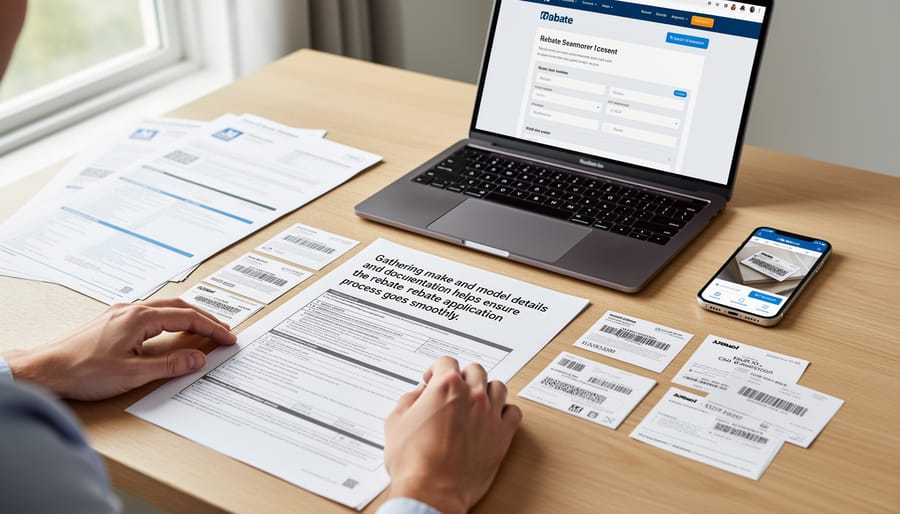
Start by gathering these items:
- Your JCP&L account details, plus an online account login, which you’ll need to use the Home Energy Analyzer.
- The make and model numbers for any appliance you’re replacing or considering.
- Your purchase receipts for new appliances.
- ENERGY STAR certification details showing the model you picked is certified.
- Photos or quick notes on your older units, including their age and how well they run.
Next, grab a tape measure. Check the space where a new refrigerator, washer, or dryer will sit, and don’t forget doorways and hallways it has to pass through. Then take a walk through your home and look at what you already have. That second fridge humming in the basement? An aging dehumidifier or a room air conditioner that struggles every summer? Those are good candidates to replace or recycle.
This is also a great moment to get creative. If you’re already refreshing the kitchen, laundry room, or basement, plan your appliance upgrades alongside it so everything looks and works together.
One last tip: documentation requirements can change, so confirm exactly what’s needed on JCP&L’s rebate page before you buy.
Safety First: Smart Precautions Before Swapping or Recycling Appliances
A little caution goes a long way when you’re swapping out big appliances. The good news is that most of the risk is easy to manage with some planning and a helping hand.
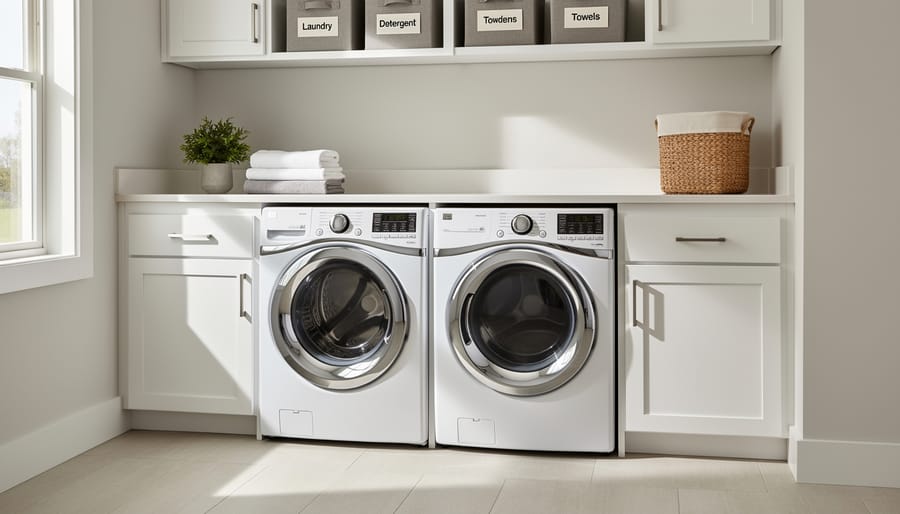
Before you move anything, unplug it and disconnect it fully. For a refrigerator or freezer, empty it and let the door stay propped open so nothing gets musty while it waits for pickup. Washers need their water supply lines shut off and drained first, and dryers should be unplugged before you slide them out.
Fridges and washers are heavier than they look, so don’t muscle them alone. Grab a friend, use an appliance dolly with straps, and protect your floors with a blanket or cardboard. If you feel strain, stop and get more help. No rebate is worth a pulled back.
It’s also smart to leave the older units to the recycling program. Through JCP&L’s Appliance Recycling, haul away and recycling are part of the deal for eligible second refrigerators, freezers, room air conditioners, and dehumidifiers. That beats leaving an old unit in the garage or on the curb where kids or pets could get to it.
Installation is where pros really earn their keep. A heat pump water heater, for example, involves electrical and plumbing connections, so bring in a certified installer. Your appliance retailer can often recommend one.
When in doubt, a quick call to a professional is always the safer, smarter move.
Step-by-Step: How to Claim an Appliance Rebate or Schedule Recycling
Getting a Whole Home Energy Solutions Audit
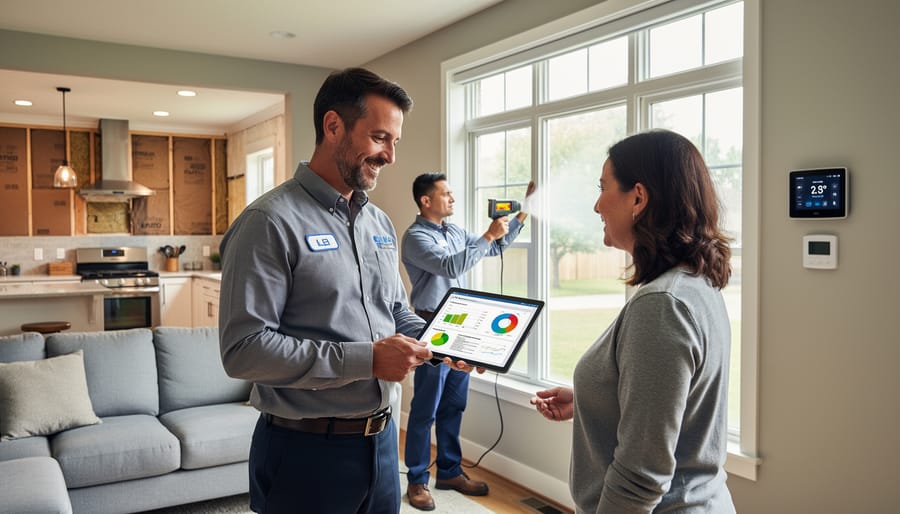
A Whole Home Energy Solutions audit is the program’s big-picture option, and it’s a great starting point if you’re not sure which upgrades will make the biggest difference. Here’s how it works: a participating BPI certified auditor visits your single family home and evaluates how it uses energy. BPI stands for the Building Performance Institute, a respected organization that trains and certifies home energy professionals, so you know the person walking through your house has real credentials.
What can you expect? Think of it as a thorough check-up for your home. The auditor looks at how your house performs as a whole, then recommends improvements. Some of those recommendations may qualify for rebates through the program, though you’ll want to confirm current details and eligibility with JCP&L before you commit to anything.
Why pair an audit with appliance upgrades? Because it turns guesswork into a plan. Instead of replacing an aging refrigerator or dryer in isolation, you can see where your home is losing the most energy and tackle things in a smart order. That might mean upgrading an appliance first, or it might mean something else entirely. Either way, you spend your budget where it counts, and you have a certified professional guiding the way.
Using the Home Energy Analyzer to Spot Savings
Before you start swapping appliances, it helps to know where your energy is actually going. That’s where the Home Energy Analyzer comes in. To use it, you’ll first need to register for a JCP&L online account, since the tool sits behind that login. If you haven’t set one up yet, it’s a quick task worth doing early, ideally before you start shopping.
Once you’re in, think of the analyzer as a way to get a clearer picture of your home’s energy use. Instead of guessing which appliance is the biggest culprit, you can look at what the tool shows you and use that to decide where to start. Maybe an older second refrigerator or a room air conditioner is the obvious first target. Maybe it’s something you hadn’t thought about at all.
Treat what you learn as a starting point, not a final verdict. Pair it with the rebate and recycling options, and consider a Whole Home Energy Solutions audit if you’d like a certified professional’s eye on the bigger picture.
Verify Your Application and Plan Your Next Moves
Once you’ve submitted a rebate or recycling request, take a few minutes to confirm it actually landed. Check for a confirmation message or email, and save it along with your purchase receipt and a photo of the appliance’s make and model label. A simple folder on your phone works fine. If a few weeks pass and nothing seems to be moving, reach out through the program’s phone or email contact and have those copies handy. Don’t guess at timelines or amounts; JCP&L can tell you where things stand.
With paperwork squared away, think about what to tackle next. A dehumidifier or room air conditioner swap is a manageable upgrade, and so is acting on whatever your Whole Home Energy Solutions auditor recommended. It also helps to understand the hidden V-energy costs sitting inside your power bill, since they can point you toward the upgrades that matter most.
Efficient doesn’t have to mean dull. Many ENERGY STAR certified models offer the looks people love right now: integrated fronts that blend into cabinetry, quiet operation for laundry rooms near living spaces, and clean, minimal finishes. Browsing the 2026 design trends can help you choose pieces that feel fresh and perform well. And if a laundry or basement refresh is on the list, pair it with some tidy bathroom storage ideas for a space that works as good as it looks.
Frequently Asked Questions About the JCP&L Energy Efficiency Program
Does JCP&L offer rebates for appliances?
Yes. JCP&L has Appliance Rebates for residential customers who buy ENERGY STAR certified appliances. Because amounts and eligibility rules can change, confirm the current details with JCP&L before you buy.
Which appliances qualify?
Rebate-eligible items include refrigerators, clothes washers, electric clothes dryers, room air conditioners, dehumidifiers, and heat pump water heaters. Recycling covers second refrigerators, freezers, room air conditioners, and dehumidifiers.
Can I recycle my old refrigerator?
Yes, especially if it’s a second refrigerator. JCP&L’s Appliance Recycling program provides haul away, recycling, and incentives for older, inefficient units. Ask JCP&L about scheduling and any requirements.
Do I need an online account?
You do if you want to use the Home Energy Analyzer, since access requires registering for an online account.
What is Whole Home Energy Solutions?
It’s a comprehensive home energy audit done at a single family residence by a participating BPI certified auditor. You may qualify for rebates on the improvements the auditor recommends, but check with JCP&L for specifics.
Still wondering about something that isn’t covered here, like your own eligibility or exact rebate amounts? A quick call or email to the program is the surest way to get a straight answer before you commit to a purchase or a pickup.
You don’t have to tackle everything at once. JCP&L gives you three clear paths: appliance rebates for ENERGY STAR certified models, appliance recycling for older units that are quietly eating up power, and a Whole Home Energy Solutions audit when you want the bigger picture. Pick the one that fits your home right now and let the others wait their turn.
So here’s a small challenge for this week. Register for your online account and poke around the Home Energy Analyzer, or walk through your kitchen, laundry room, and basement and note which older appliances are worth upgrading or recycling. That’s it. A quiet, efficient refrigerator or washer is part of a home that feels good to live in and looks good too.
Before you buy anything, confirm the current details with JCP&L, since rebate amounts and eligibility can change. A quick check now saves surprises later, and it gets you one step closer to a more comfortable, well-designed home.