
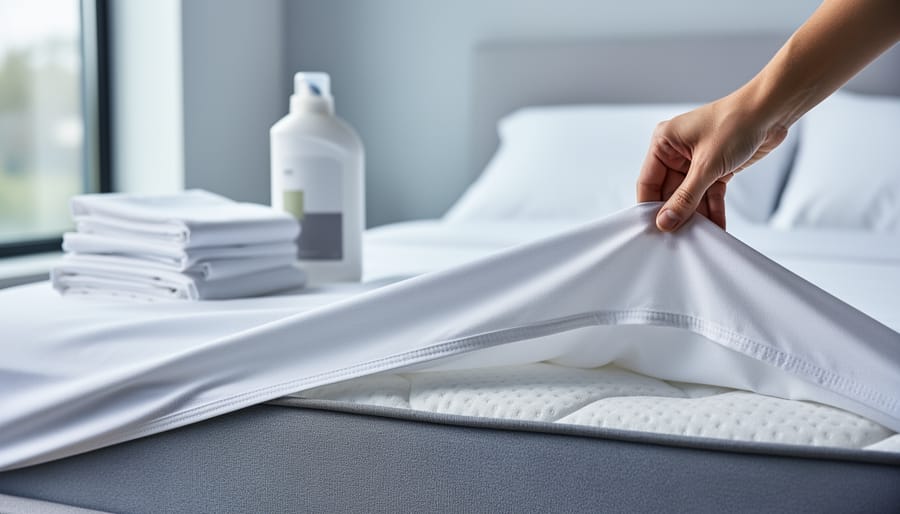
7 Smart Ways to Clean Your Mattress Cover Without Damaging It
Cleaning a mattress cover takes 30 to 90 minutes depending on the method you choose, and the good news is that most covers can go straight into your washing machine without any special equipment. The key is checking the care label first, since some materials like memory foam toppers or waterproof barriers need gentler approaches than standard cotton or polyester zippered covers.
Your mattress cover works harder than almost any other fabric in your home, trapping dead skin cells, dust mites, body oils, and allergens night after night. Regular cleaning extends its lifespan, protects your mattress investment, and creates a healthier sleep environment. But choosing the wrong temperature, detergent, or drying method can shrink fabric, crack waterproof membranes, or void warranties.
We consulted with certified textile care specialists and sleep product manufacturers to identify seven proven cleaning methods that preserve fabric integrity while delivering genuinely clean results. Whether you’re dealing with everyday freshening, tough stains, or delicate materials that can’t tolerate machine agitation, you’ll find a practical approach that works for your specific cover type. The method you pick depends on three main factors: what your care label allows, how soiled the cover is, and how quickly you need it back on your bed.
This guide walks you through each technique step by step, explains when to use which approach, and highlights the common mistakes that damage covers prematurely. You’ll also learn how often professional cleaners recommend washing based on your household situation, plus answers to the questions that come up most when people tackle this task for the first time.
Why Cleaning Your Mattress Cover Matters
Your mattress cover acts as the first line of defense against sweat, dead skin cells, dust mites, and allergens that accumulate nightly. Over time, these contaminants can trigger allergies, worsen asthma symptoms, and create an unhealthy sleep environment. Regular cleaning removes these irritants, helping you breathe easier and sleep better.
Beyond health benefits, consistent cleaning protects your investment. A well-maintained cover prevents stains and moisture from reaching the mattress itself, avoiding permanent damage that cleaning alone can’t fix. This routine maintenance is simpler and less time-consuming than having to deep clean a mattress or replace it entirely. Clean covers also last longer, maintaining their protective qualities and saving you replacement costs. Think of cover cleaning as preventive care that makes your entire bed hygiene routine more effective and less labor-intensive.
How We Selected These Cleaning Methods
Selecting the right cleaning methods meant evaluating each approach against real-world needs. We prioritized techniques that work across the most common mattress cover materials, cotton, polyester blends, bamboo, and waterproof fabrics, without requiring specialty equipment most homeowners don’t have.
Each method passed three tests: effectiveness at removing dirt and allergens, accessibility of supplies (nothing exotic or expensive), and time efficiency for busy schedules. We also assessed safety carefully, ruling out approaches that risked shrinking, tearing, or degrading delicate fibers.
Our research drew heavily on consultations with certified textile care specialists who work with commercial and residential bedding. They helped identify which cleaning agents genuinely sanitize versus those that simply mask odors, and explained the chemistry behind why certain methods outperform others for specific stain types.
We tested these techniques on various cover materials, observed drying times, and measured how well each approach preserved fabric integrity after multiple cleanings. The seven methods that made this list earned their place through documented results, not marketing claims.
1. Check the Care Label First (The Foundation Step)
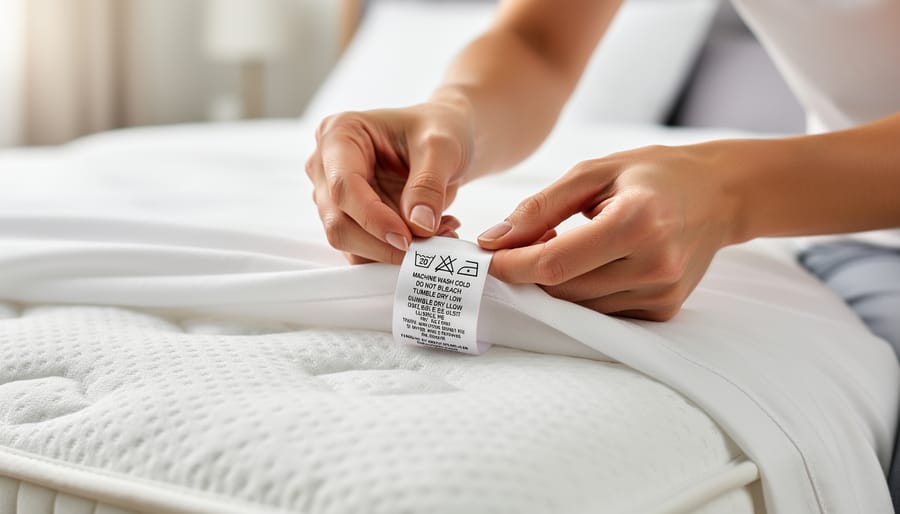
Before you even think about water temperature or detergent, locate the care label sewn into your mattress cover. This small tag contains manufacturer-specific instructions that prevent costly mistakes and preserve your cover’s protective qualities.
Most care labels display universal washing symbols: a bucket icon indicates machine washable, while a circle means dry clean only. Temperature recommendations appear as dots inside the bucket (one dot equals 30°C/86°F, two dots mean 40°C/104°F, three dots allow 60°C/140°F). A triangle symbol addresses bleach use, and the square with a circle inside covers tumble drying settings.
Pay particular attention to material-specific warnings. Waterproof covers often require cool water only to preserve their moisture barrier. Bamboo and Tencel covers may need gentle cycles to maintain softness. Cotton-polyester blends typically tolerate higher temperatures, but the label will specify exact limits.
If your cover lacks a label (common with older products), assume the most conservative approach: cold water, gentle cycle, and air drying. When uncertain about fabric type, test any cleaning solution on an inconspicuous corner first. This thirty-second label check saves you from having to replace an expensive cover or compromise your mattress protection.
2. Machine Washing for Removable Covers
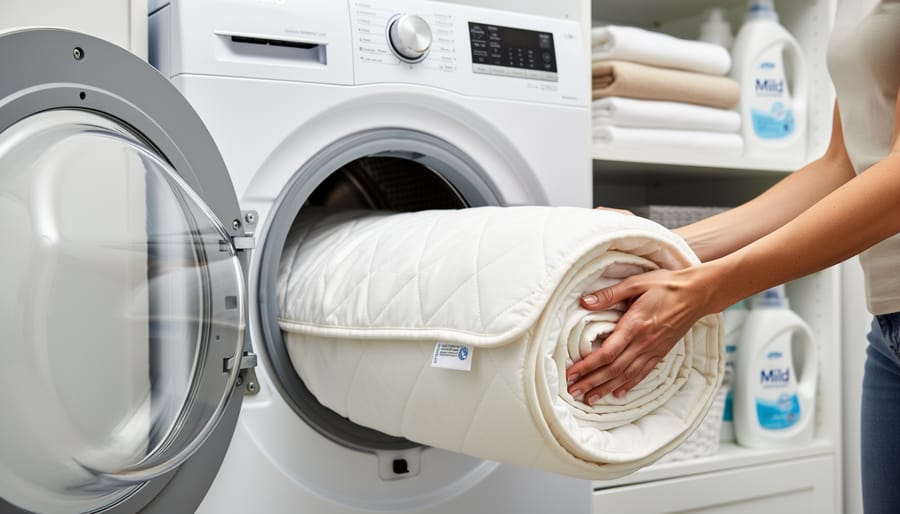
Most removable mattress covers thrive in the washing machine when you follow a few key steps. Start by closing all zippers completely and turning the cover inside out to protect the zipper and any quilted surfaces from friction damage.
Water temperature makes a significant difference depending on your fabric. Cotton covers handle warm water (around 40°C) well, which helps eliminate dust mites and bacteria effectively. Polyester blends perform best in cool to warm water, while bamboo covers require gentle, cold water to maintain their natural softness and moisture-wicking properties. Hot water can shrink certain fabrics and break down elastic edges prematurely.
Select your machine’s gentle or delicate cycle to minimize wear on the fabric. Standard agitation cycles can be too harsh, especially for covers with elastic corners or delicate weaves. Use a mild, liquid detergent, about half to two-thirds of what you’d use for a regular load, since mattress covers don’t require heavy cleaning power and excess detergent leaves residue that attracts dirt.
Here’s a quick checklist for successful machine washing:
- Use cool to warm water based on fabric type
- Add half the normal detergent amount to prevent residue
- Select gentle or delicate cycle
- Close zippers and turn cover inside out before washing
- Wash the cover alone or with similar lightweight bedding only
Avoid overloading your machine. Mattress covers need room to move freely for thorough cleaning and proper rinsing. Washing your cover with heavy items like jeans creates uneven agitation that can stress seams and elastic.
3. Spot Cleaning for Non-Removable or Delicate Covers
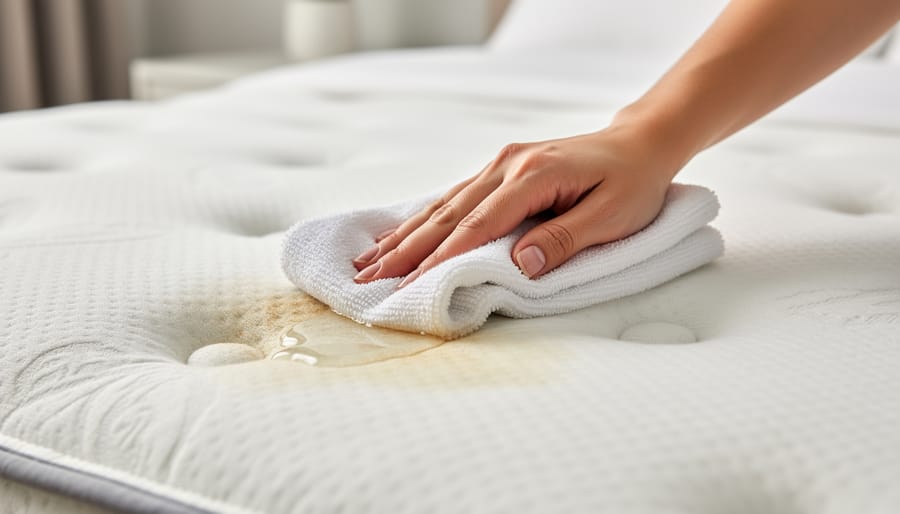
When your mattress cover won’t come off or features delicate materials that can’t handle machine washing, spot cleaning becomes your go-to solution. This targeted approach lets you tackle stains without saturating the underlying mattress.
Start by mixing a small amount of mild liquid detergent with cool water, about one teaspoon per cup. For stubborn marks, create a paste using three parts baking soda to one part water. Both options are gentle enough for most fabrics while still being effective.
Here’s the crucial technique: always blot, never rub. Dip a clean white cloth into your cleaning solution, wring it out thoroughly, and gently press it onto the stain. Work from the outside edges toward the center to prevent spreading. Rubbing can damage fabric fibers and push the stain deeper into the mattress below.
The key is moisture control. Your cloth should be damp, not dripping. After treating the stain, use a dry towel to absorb excess moisture, then allow the area to air-dry completely. Point a fan at the spot to speed things up, proper drying prevents mold growth and that musty smell nobody wants in their bed.
4. Natural Deodorizing with Baking Soda
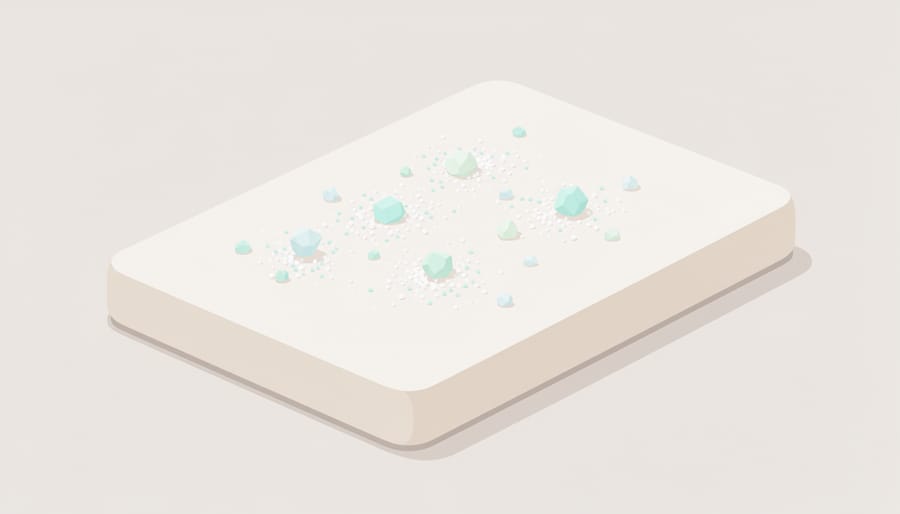
Baking soda stands as one of the gentlest yet most effective ways to freshen your mattress cover between deep cleans. This pantry staple works through simple chemistry, it neutralizes acidic odor molecules rather than just masking them. When your cover smells musty or holds onto body odors despite being clean, baking soda tackles the problem at its source.
Start by ensuring your mattress cover is dry. Sprinkle a thin, even layer of baking soda across the entire surface, paying extra attention to areas where you sleep most. You don’t need to dump the whole box, a light coating is plenty. Let it sit for 8-12 hours, ideally overnight or while you’re at work. This dwell time allows the baking soda to absorb moisture and break down odor compounds.
After the waiting period, vacuum thoroughly using the upholstery attachment. Make slow, overlapping passes to capture all the powder. If you notice stubborn spots still holding scent, repeat the process or consider pairing this method with spot cleaning.
This technique works especially well for smoke odors, pet smells, or that general staleness that develops over time. It’s completely safe for all fabric types and won’t void warranties.
5. Steam Cleaning for Deep Sanitization
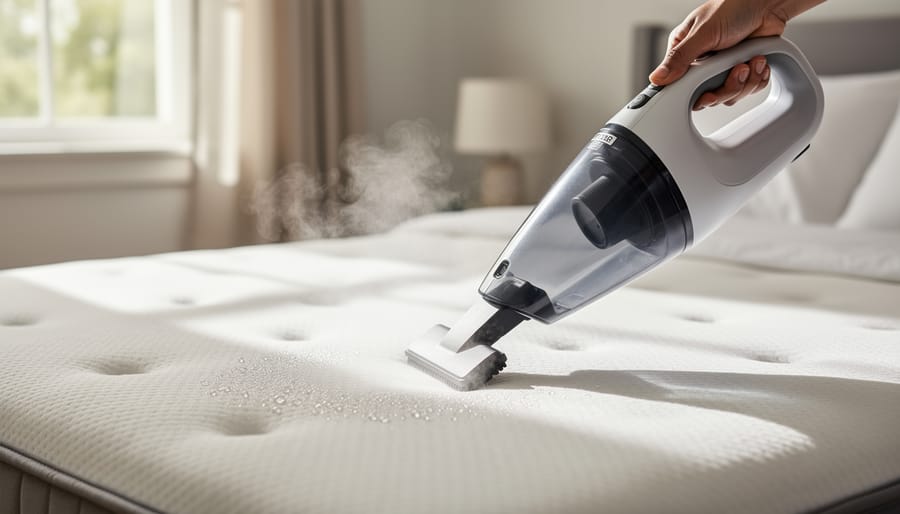
Steam cleaning offers one of the most thorough sanitization methods for mattress covers, using heat that reaches 212°F to eliminate 99.9% of dust mites, bacteria, and allergens without harsh chemicals. A handheld garment steamer or upholstery steam cleaner works perfectly for this purpose, and you likely already own one or can borrow from a friend.
Start by ensuring your mattress cover is already vacuumed to remove surface debris. Hold the steamer nozzle 2-3 inches above the fabric and move it slowly across the surface in overlapping passes, spending about 5-10 seconds per section. The goal is to let the steam penetrate without saturating the material underneath. Work systematically from one corner to the other, paying extra attention to areas where you sleep most frequently.
Cotton, polyester blends, and most synthetic covers respond beautifully to steam cleaning. Bamboo and microfiber covers also handle steam well, though you’ll want to keep the steamer moving to prevent water marks. Avoid steam on silk, velvet, or covers with waterproof coatings, as the intense heat can damage their specialized finishes or cause delamination.
After steaming, the cover will be damp but not soaking wet. Point a fan directly at the mattress or open windows to create airflow, allowing 2-4 hours for complete drying before making the bed. Never put sheets back on a damp cover, trapped moisture creates the perfect breeding ground for mold.
6. Enzyme Cleaners for Biological Stains
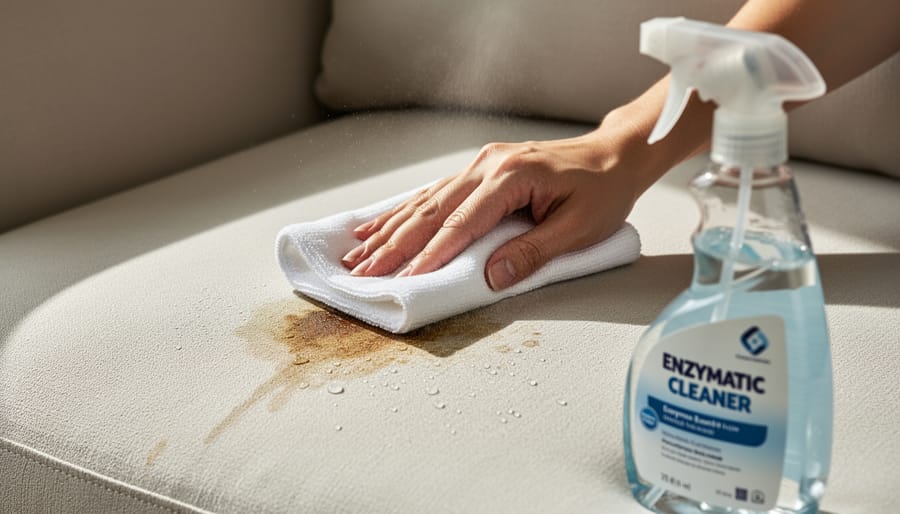
Enzyme cleaners are your best weapon against biological stains like sweat, blood, and urine that regular detergents simply can’t break down effectively. These specialized cleaners contain proteins that literally digest organic matter at the molecular level, converting stubborn stains into water-soluble compounds you can easily rinse away.
Start by blotting any excess moisture from fresh stains with a clean towel. Apply the enzyme cleaner directly to the affected area, saturating the stain without soaking the underlying mattress. Most products need 10-15 minutes of contact time to work properly, check your specific product’s instructions. For set-in stains, you might need 30 minutes or even an overnight application.
The key difference between enzymes and traditional detergents is how they work. While regular soaps simply lift dirt, enzymes actively break down the chemical bonds in protein-based stains. This makes them particularly effective for the sweat and body fluids that accumulate on mattress covers over time.
After the dwell time, blot with a damp cloth to remove residue, then allow the area to air dry completely. For comprehensive bedroom hygiene, pair this technique with other mattress cleaning tips to maintain a truly fresh sleep environment.
7. Proper Drying Techniques to Prevent Damage
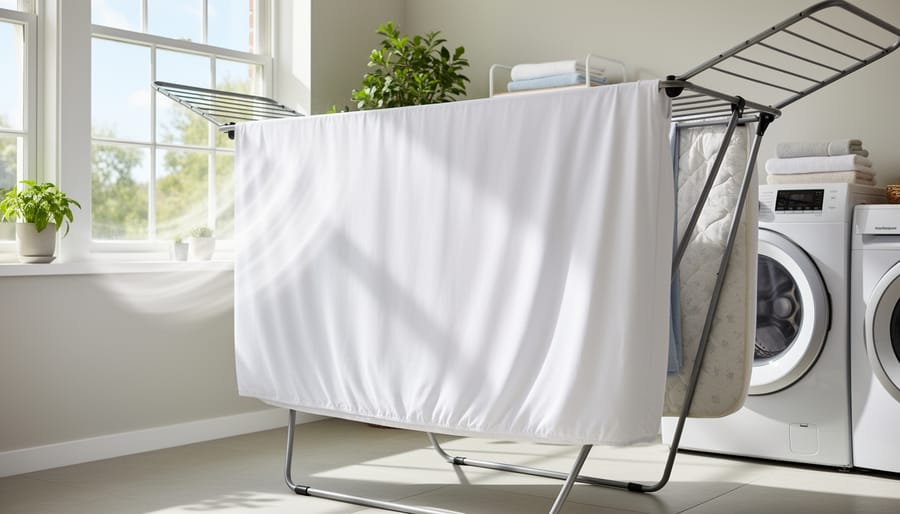
Getting your mattress cover thoroughly dry is just as important as cleaning it properly. Incomplete drying creates the perfect environment for mold, mildew, and musty odors that defeat the purpose of washing in the first place.
Air-Drying vs. Machine Drying
Air-drying is the gentlest option and works well for all cover types. Hang the cover over a sturdy clothesline or drying rack, preferably outdoors in sunlight, which naturally sanitizes and eliminates odors. Indoor drying works too, just ensure good air circulation with fans or open windows.
Machine drying saves time but requires caution. Use low or medium heat only; high temperatures can shrink cotton covers, melt waterproof membranes, or damage elastic edges. Check your care label first, as some materials (like bamboo or certain blends) strictly require air-drying.
Essential Drying Guidelines
- Never use high heat settings, low or medium only to prevent shrinkage and material damage
- Ensure complete drying in all areas, especially thick seams, zippers, and corner elastics
- Flip covers every few hours during air-drying to expose all surfaces evenly
- Check zippers, piping, and quilted sections where moisture hides longest
Before putting the cover back on, feel inside seams and zippers, any dampness means more drying time is needed. A completely dry cover typically takes 24-48 hours to air-dry or 45-60 minutes on low heat in the dryer.
To speed the process safely, add clean, dry towels to the dryer to absorb moisture faster, or position fans directly on hanging covers. Once fully dry, consider designated storage for covers if you keep seasonal backups. When reassembling, start at corners and work systematically around the mattress to avoid bunching or misalignment.
Common Mistakes to Avoid When Cleaning Mattress Covers
Even people who care about maintaining their mattress covers make avoidable errors that shorten the fabric’s life or reduce cleaning effectiveness. Here are the most common mistakes that can damage your mattress cover or undermine your cleaning routine:
- Using chlorine bleach on colored or delicate fabrics, causing discoloration and fiber breakdown
- Saturating non-removable covers with excessive water, leading to mold growth in the mattress underneath
- Leaving zippers open during washing, which damages both the zipper teeth and surrounding fabric
- Reinstalling covers before they’re completely dry, trapping moisture and creating musty odors
- Washing covers too frequently, which wears out elastic and weakens fabric fibers prematurely
- Skipping the care label and guessing at appropriate water temperature or cycle settings
Another frequent error is using fabric softener on waterproof or moisture-wicking covers. The softener coats the specialized fibers and reduces their protective properties, essentially defeating the purpose of these advanced materials. Similarly, high heat in the dryer can melt waterproof laminate layers or shrink natural fibers beyond recovery. When in doubt, choose the gentler option and give covers extra time to air-dry rather than risking permanent damage with aggressive cleaning methods.
How Often Should You Clean Your Mattress Cover?
Most households should wash mattress covers every one to two months under normal conditions. This schedule balances hygiene with fabric preservation, preventing excessive wear from over-washing while keeping allergens and oils at bay.
If you or family members suffer from allergies, asthma, or dust mite sensitivities, increase the frequency to monthly washings. Allergens accumulate quickly, and regular cleaning creates a healthier sleep environment that can reduce nighttime symptoms.
Certain situations demand immediate cleaning regardless of your regular schedule. Wash your cover promptly after illness (especially contagious conditions), spills, accidents, or excessive sweating during summer heat waves. Waiting allows stains to set and bacteria to multiply.
Consider aligning mattress cover cleaning with seasonal deep-cleaning routines. Many people find it practical to wash covers when changing from winter to summer bedding and vice versa, creating a natural twice-yearly rhythm that’s easy to remember and maintain.
Frequently Asked Questions
Can you wash waterproof mattress covers?
Yes, most waterproof covers are machine washable, but always use cool or warm water instead of hot to protect the waterproof membrane. Avoid fabric softeners and bleach, as these can break down the protective coating and reduce water resistance.
What about memory foam mattress covers?
Memory foam covers that are removable can be machine washed on a gentle cycle with cold water. However, never wash the actual memory foam mattress topper or pad itself in a machine, as this will damage the foam structure permanently.
Is it safe to use fabric softener on mattress covers?
Skip the fabric softener entirely. It leaves a waxy residue that reduces breathability, can irritate sensitive skin, and diminishes the effectiveness of waterproof or protective treatments on specialized covers.
How do you remove set-in stains from mattress covers?
For stubborn stains, pre-treat with an enzyme cleaner and let it sit for 30 minutes before washing. A paste of baking soda and hydrogen peroxide can also work for white or light-colored covers, but test on an inconspicuous area first.
Can you dry clean mattress covers?
Dry cleaning is rarely necessary and can be expensive for large mattress covers. Most covers are designed for home washing, but if the care label specifically recommends dry cleaning only, follow that guidance to avoid damaging specialty fabrics.
These questions represent the most common concerns we hear from homeowners managing their mattress cover care routines. When in doubt, the care label remains your most reliable guide, and starting with the gentlest cleaning method prevents accidental damage to your investment.
Keeping your mattress cover clean isn’t just about appearances, it’s a simple investment in better sleep and a healthier home environment. By following the seven methods we’ve covered, you’re protecting your mattress from premature wear while creating a fresher, more hygienic space to rest each night.
The beauty of these techniques is their flexibility. Whether you’re doing a quick monthly machine wash, tackling an unexpected spill with spot cleaning, or scheduling a seasonal deep clean with baking soda and steam, you’re taking meaningful action that pays dividends in comfort and longevity. Each cleaning session removes allergens, dust mites, and buildup that affect both your sleep quality and respiratory health.
Make mattress cover care part of your regular routine, set calendar reminders if needed, or tie it to seasonal changes. The effort required is minimal compared to the benefits: a cleaner sleep surface, reduced allergy symptoms, and a mattress cover that looks and feels fresh for years instead of months.
Your bedroom should be a sanctuary, and maintaining that starts with the basics. Clean covers, better sleep, healthier you, it’s really that straightforward.