

Why ‘Research Peptides’ Don’t Belong in Your Home (And What Actually Works)
If you’ve landed here looking for research peptides for sale, we need to address an important disconnect right away: the Kylo Peptides homepage and similar sites focus on laboratory-grade compounds intended strictly for scientific research, not home wellness applications. These aren’t DIY health products you should be shopping for online. Research peptides require proper laboratory handling, regulatory compliance, and scientific protocols that fall completely outside the scope of home improvement or personal wellness.
We understand the confusion. Peptide-related searches have exploded across wellness communities in recent years, and algorithmic misfires sometimes send curious homeowners to the wrong corners of the internet. The reality is that legitimate research peptides belong in certified lab environments, not your medicine cabinet or kitchen counter.
Here’s what you actually need to know: if you’re interested in health and wellness solutions for your home in 2026, there are safe, legal, and effective approaches that align with creating a healthier living environment. Think air quality improvements, ergonomic home office setups, circadian lighting design, or working with certified wellness consultants who can recommend evidence-based strategies. These are the kinds of home wellness upgrades that deliver real results without regulatory gray areas or safety concerns.
This guide will help you understand why research peptides shouldn’t be part of your home wellness toolkit, redirect you toward legitimate options that actually improve your living space, and provide the safety information you need to make informed decisions about products marketed online.
Understanding the Search Mix-Up
If you’ve landed here searching for research peptides, you’re not alone in experiencing one of the internet’s stranger algorithmic hiccups. Research peptides are laboratory-grade chemical compounds intended exclusively for scientific study in controlled environments, they have absolutely nothing to do with home improvement, interior design, or creating a healthier living space. These substances belong in university research labs and pharmaceutical development facilities, not in your medicine cabinet or wellness routine.
The confusion happens because search algorithms sometimes misinterpret compound searches or associate trending wellness keywords with unrelated scientific terminology. When you search for health-related terms alongside “home” or “improvement,” you might inadvertently surface results for research-use-only peptide labeling that exploit wellness trends for commercial purposes. These vendors operate in regulatory gray areas, marketing substances that carry “not for human consumption” disclaimers while clearly targeting individual buyers rather than legitimate research institutions.
The distinction matters because your home deserves solutions that are designed, tested, and certified for residential use. Unlike vague chemical compounds sold through questionable online channels, legitimate home wellness products undergo rigorous safety testing and come with clear usage guidelines. When we talk about improving your living space, we mean design-forward air purifiers, thoughtfully planned meditation areas, and ergonomic furniture from reputable manufacturers, not laboratory chemicals with uncertain origins and zero consumer protections. Understanding this difference protects both your health and your investment in creating a genuinely supportive home environment.
What Home Wellness Actually Looks Like in 2026
Air Quality and Filtration Systems
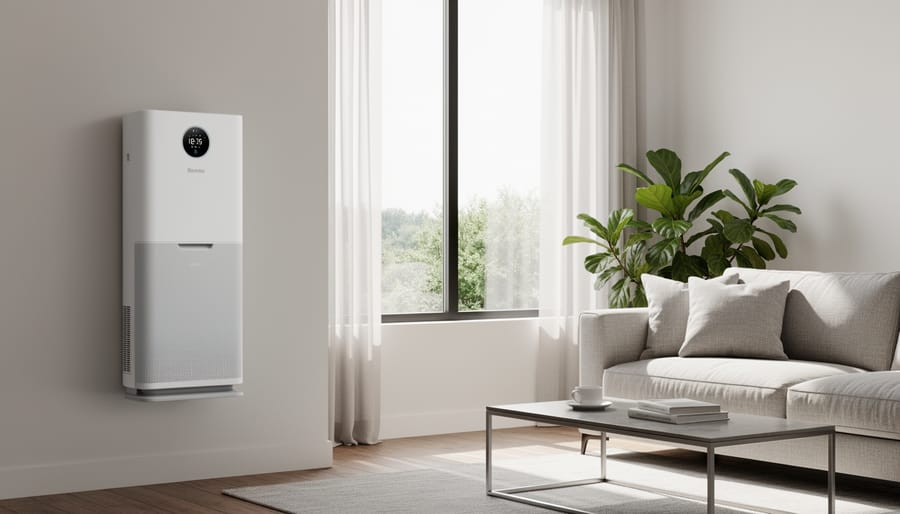
Modern air purification has evolved far beyond bulky, clinical-looking boxes that clash with your carefully curated interiors. Today’s systems blend into your home’s design language while delivering measurable improvements to indoor air quality.
Wall-mounted units now come in minimalist profiles with customizable panels that match your paint color or mimic natural materials like wood and stone. Some manufacturers offer units designed to look like artwork or sculptural elements, you get cleaner air without advertising the technology. For open-concept spaces, consider ceiling-integrated systems that handle filtration through existing HVAC infrastructure, keeping floor and wall space clear.
HEPA filtration remains the gold standard for capturing particles down to 0.3 microns, including dust, pollen, and pet dander. Look for units with activated carbon filters if you’re concerned about odors or volatile organic compounds from furniture and building materials. Ionization technology has gained traction for its ability to tackle smaller particles, though you’ll want to verify that any unit avoids ozone production.
Smart sensors make these systems genuinely practical rather than decorative guesswork. Real-time air quality displays show you what’s happening in your space, and automatic adjustments mean the system runs harder when it detects cooking smoke or pet activity, then quiets down during sleep hours. Many integrate with home automation platforms, so air quality becomes part of your overall environmental control alongside lighting and temperature.
Dedicated Wellness Spaces
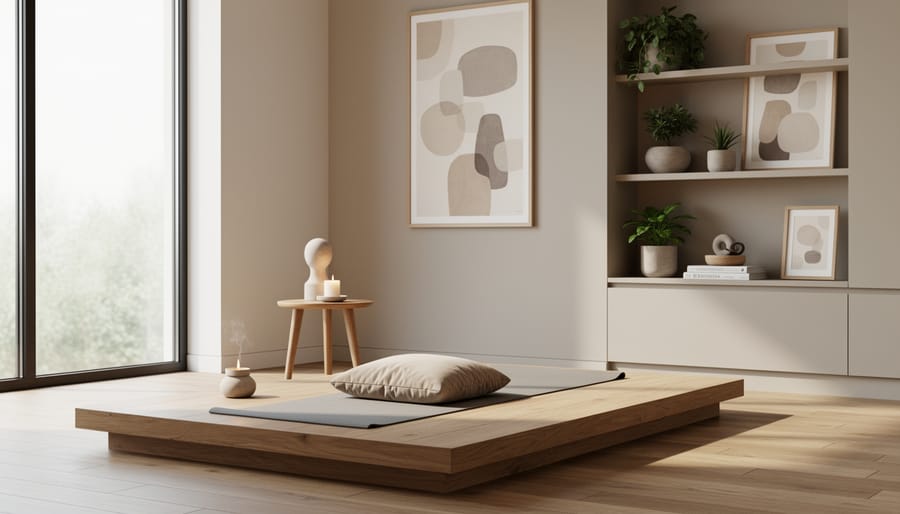
Creating a dedicated wellness space transforms an underused corner or spare room into a sanctuary that supports your mental and physical health. Start small: a meditation corner needs only a comfortable cushion, soft lighting, and perhaps a better sleep plants arrangement to purify the air naturally. These spaces work best when they’re genuinely separate from your daily chaos, not your bedroom, not your living room, but a distinct zone your brain associates with calm.
For yoga or movement practices, prioritize natural light and flooring that supports your joints. A simple area rug can define the space without requiring construction. Keep props in attractive baskets or wall-mounted holders that blend with your decor rather than announcing “workout zone.” Spa-like bathrooms require more investment but pay dividends: consider heated floors, a rainfall showerhead, or a soaking tub positioned to capture morning light. Add eucalyptus bundles to your shower, install dimmer switches for adjustable ambiance, and swap harsh overhead lighting for layered sources at eye level.
The key is intentionality. A wellness space fails when it becomes a catch-all for random stuff or feels like an obligation. Choose one focus, meditation, stretching, reading, or bathing, and design around that singular purpose. Your body and mind will recognize the space as permission to slow down.
Safe, Legitimate Products for a Healthier Home

When you’re ready to invest in genuine home health improvements, focus on products that certified professionals actually recommend, items backed by research, proper safety testing, and transparent manufacturing standards.
Start with water quality systems. A professionally installed whole-home water filtration system or point-of-use filters can remove contaminants, improve taste, and protect your plumbing. Look for NSF-certified models that clearly state which contaminants they remove. Your water quality directly affects everything from drinking and cooking to bathing and laundry, making this one of the most impactful investments you can make.
Indoor air quality deserves equal attention. Beyond basic air purifiers, consider humidity control systems that maintain optimal levels year-round. Whole-home dehumidifiers prevent mold growth in basements and crawl spaces, while humidifiers protect wood furniture and respiratory comfort during dry months. HVAC professionals can integrate these systems with safe ventilation strategies that bring in fresh outdoor air without sacrificing energy efficiency.
Here’s what certified professionals recommend across key product categories:
| Product Category | Health Benefit | What to Look For |
|---|---|---|
| Water Filtration | Removes contaminants, improves taste | NSF certification, specific contaminant removal claims, replacement schedule |
| Air Purification | Reduces allergens, odors, pollutants | True HEPA filter, appropriate room size rating, CADR numbers |
| Humidity Control | Prevents mold, protects furnishings | Energy Star rating, auto-shutoff features, professional sizing |
| Lighting Systems | Supports circadian rhythm, reduces eye strain | Adjustable color temperature, CRI above 90, smart controls |
| Sleep Environment | Improves rest quality, reduces allergens | CertiPUR-US foam, organic certifications, washable covers |
Smart lighting systems represent another evidence-based wellness upgrade. Fixtures that adjust color temperature throughout the day support your natural circadian rhythm. Morning light with cooler tones promotes alertness, while warm evening light prepares your body for rest. Choose systems with high Color Rendering Index ratings above 90 so colors appear natural and reduce eye strain.
For bedroom improvements, prioritize mattresses and bedding with legitimate health certifications. CertiPUR-US certified foams are tested for harmful chemicals, while GOTS-certified organic textiles meet strict environmental and social standards. Washable mattress protectors create a barrier against dust mites without compromising comfort.
Kitchen upgrades matter too. Solid wood or bamboo cutting boards resist bacteria better than scarred plastic ones. Quality knife sets reduce injury risk through better control. Non-toxic cookware certified as PFOA-free eliminates concerns about chemical leaching.
When evaluating any home health product, verify that manufacturers provide transparent information about testing, certifications, and materials. Reputable companies readily share this data because they have nothing to hide. If a product makes vague wellness claims without backing them up with specific certifications or testing results, that’s your signal to keep shopping.
Red Flags: What to Avoid When Shopping Online
Shopping for home wellness products online requires a careful eye, especially when algorithm mix-ups can land you on pages selling unregulated substances that have no place in residential spaces. Learning to spot red flags protects both your wallet and your family’s safety.
Vague health claims without specific details signal trouble. If a product promises to “boost immunity” or “enhance vitality” without explaining how, through what mechanism, or backed by what research, walk away. Legitimate home health products like air purifiers or ergonomic furniture explain exactly what they do and how they accomplish it. Companies selling questionable substances often hide behind broad wellness buzzwords because they can’t make concrete, verifiable claims.
Watch for missing regulatory information. Reputable home product manufacturers clearly display safety certifications, ingredient lists, and compliance with consumer protection standards. If you’re searching for wellness solutions and land on sites selling research chemicals or laboratory compounds, you’re in the wrong place entirely. Government agencies have issued warnings about risks of unapproved peptide products sold online, emphasizing these aren’t consumer goods.
Compare this to actual home health maintenance. When you tackle a dryer vent cleaning or schedule a mattress deep clean you’re working with established products and methods designed for residential use, often with clear instructions and safety data.
Beware of checkout processes that feel designed to rush you. Sites that pressure you with countdown timers, limited-time pricing on supposedly scientific products, or checkout pages lacking standard consumer protections aren’t operating as legitimate home goods retailers. Trust retailers with transparent return policies, accessible customer service, and physical locations or verifiable business addresses.
True home wellness isn’t found in questionable online marketplaces or unregulated chemical compounds. It’s built through intentional design choices, quality materials from reputable sources, and the expertise of certified professionals who understand both aesthetics and functionality.
The homes that genuinely support health and wellbeing share common threads: they prioritize air quality through proper ventilation and filtration, they incorporate natural light and biophilic elements, and they create dedicated spaces for rest and rejuvenation. These aren’t trendy shortcuts or miracle products. They’re thoughtful investments in your living environment that pay dividends in daily comfort and long-term satisfaction.
When you’re ready to enhance your home’s wellness factor, start with the fundamentals. Work with licensed contractors for structural improvements, consult certified interior designers who understand wellness principles, and choose products with transparent ingredient lists and third-party testing. Skip the social media ads promising revolutionary results and the websites selling substances with vague descriptions and no accountability.
Your home deserves better than unregulated experiments. It deserves the same care and expertise you’d apply to any major investment. By focusing on proven design strategies and legitimate products backed by real professionals, you’ll create a space that truly supports your health without compromising safety or style. That’s home wellness worth investing in.