
The Interior Design Trends That Will Transform Your Home in 2026
Your home is about to get a major upgrade, and 2026’s interior design landscape is bringing changes that feel both refreshingly bold and surprisingly livable. The coming year ushers in a design philosophy that prioritizes authentic comfort over perfection, natural materials over synthetic shine, and spaces that adapt to how you actually live rather than how Instagram says you should.
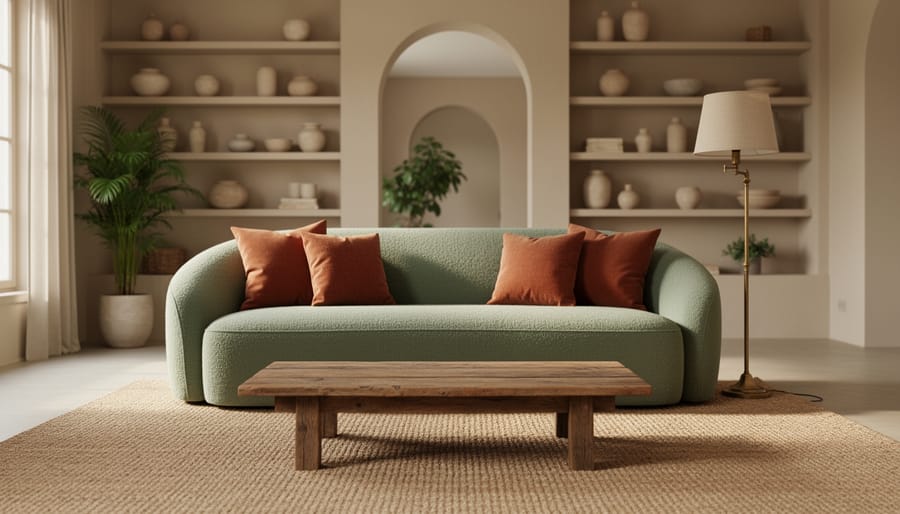
Expect to see warm, earthy color palettes replacing the stark whites that dominated recent years, with terracotta, sage green, and honey tones creating inviting atmospheres that feel grounded and calming. Curved furniture is taking center stage, softening the hard edges of modern minimalism while making rooms feel more welcoming and less rigid. Sustainable materials are no longer just a nice-to-have consideration but the foundation of thoughtful design, with reclaimed wood, natural fibers, and eco-conscious textiles becoming standard rather than exceptional.
The most exciting shift isn’t about buying everything new. These 2026 trends celebrate mixing vintage finds with contemporary pieces, embracing imperfection, and creating homes that tell your story rather than copying a showroom. Whether you’re planning a complete renovation or simply refreshing a single room, understanding these emerging directions helps you make choices that will feel current for years to come. Working with certified design professionals can help you adapt these trends to your specific space and budget, ensuring your updates reflect both current design thinking and your personal lifestyle needs.
What’s Driving Interior Design Changes in 2026
As we move into 2026, interior design is experiencing a fascinating transformation shaped by how we’ve fundamentally changed the way we live, work, and think about our homes. These aren’t just stylistic shifts—they’re responses to real changes in our daily lives and values.
The sustainability movement has moved from niche concern to mainstream priority. Recent studies show that consumers crave sustainable home design, and designers are responding with eco-conscious materials, energy-efficient solutions, and furniture built to last generations rather than seasons. This shift reflects a growing awareness that our homes can be beautiful and kind to the planet at the same time.
The way we use our spaces has also evolved dramatically. Hybrid work arrangements are here to stay, which means our homes need to serve multiple purposes seamlessly. We’re looking for designs that transform throughout the day—spaces that function as productive home offices by morning and relaxing family rooms by evening. This flexibility has become essential rather than optional.
Wellness has taken center stage too. We’re increasingly viewing our homes as sanctuaries that should actively support our physical and mental health. This means prioritizing natural light, improving air quality, incorporating biophilic elements that connect us to nature, and creating dedicated zones for rest and rejuvenation.
Technology continues advancing at breakneck speed, but the trend is toward integration that enhances rather than dominates our spaces. Smart home features are becoming invisible helpers that make daily life smoother without sacrificing aesthetic appeal.
These driving forces combine to create design trends that feel both cutting-edge and deeply human-centered, giving you plenty of exciting directions to explore for your home.
Color Palettes Taking Over in 2026
Primary Color Trends
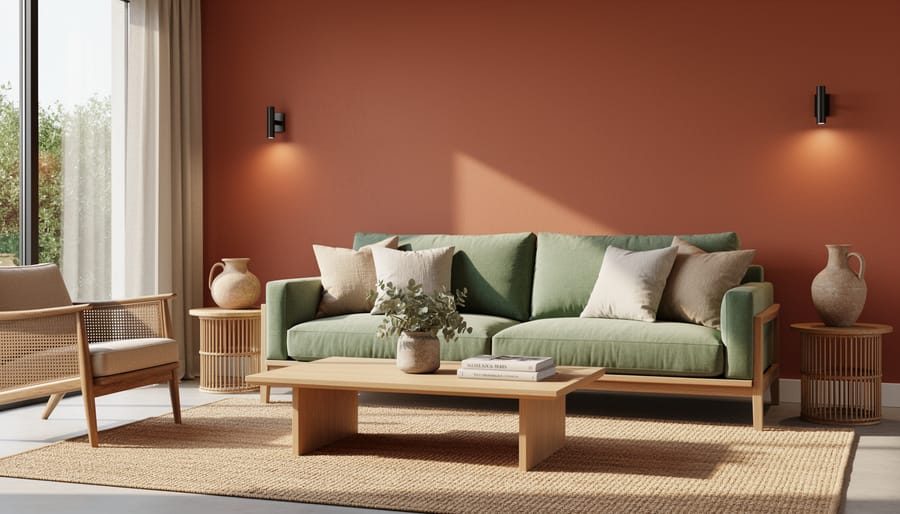
The color palette for 2026 is all about creating calm, grounded spaces that feel both sophisticated and welcoming. We’re seeing a beautiful shift toward earthy neutrals as the foundation for most rooms, with warm terracotta, soft sage greens, and creamy beiges taking center stage on walls and larger furniture pieces.
What makes this trend so practical is its versatility. These nature-inspired hues work beautifully whether you’re going for a minimalist look or something more layered and textured. Think about painting your main living areas in a warm taupe or gentle olive green, then letting your furniture and accessories add personality from there.
For accent colors, deep clay reds and muted blues are having a moment, offering just enough richness without overwhelming your space. These work wonderfully on a statement wall, kitchen cabinets, or even a bold sofa if you’re feeling adventurous.
The best part? You can absolutely tackle these updates as DIY projects. A fresh coat of paint in one of these trending shades can completely transform a room over a weekend. If you’re unsure about committing to a full wall, start with smaller pieces like side tables or picture frames to test how these colors feel in your space. When planning larger renovations or selecting furniture investments, consider consulting with certified interior designers who can help you create a cohesive color scheme that truly reflects your style while staying current.
Accent and Contrast Choices
The secret to working with 2026’s vibrant accent colors is thinking of them like jewelry for your room—they should enhance, not dominate. Start with the 60-30-10 rule: 60% neutral base, 30% secondary color, and just 10% of those trending bold accents like terracotta, sage green, or warm coral.
Consider anchoring your accent choices in smaller, changeable elements first. Throw pillows, artwork, and decorative objects let you experiment without commitment. A single statement piece—perhaps a burnt orange accent chair or emerald green ottoman—can transform a neutral room while maintaining balance.
Contrast works best when it’s intentional. Pair warm accent colors with cool neutrals, or introduce texture contrast alongside color. A rust-colored velvet cushion against linen upholstery creates visual interest without chaos.
If you’re uncertain about color combinations, consulting with certified interior design professionals can save you from costly mistakes. They can help you create a cohesive palette that reflects current trends while suiting your personal style. Remember, accent colors should make your space feel collected and curated, not chaotic. Start small, observe how the colors interact with your lighting throughout the day, then build confidence from there.
Materials and Textures Making a Statement
Natural and Organic Materials
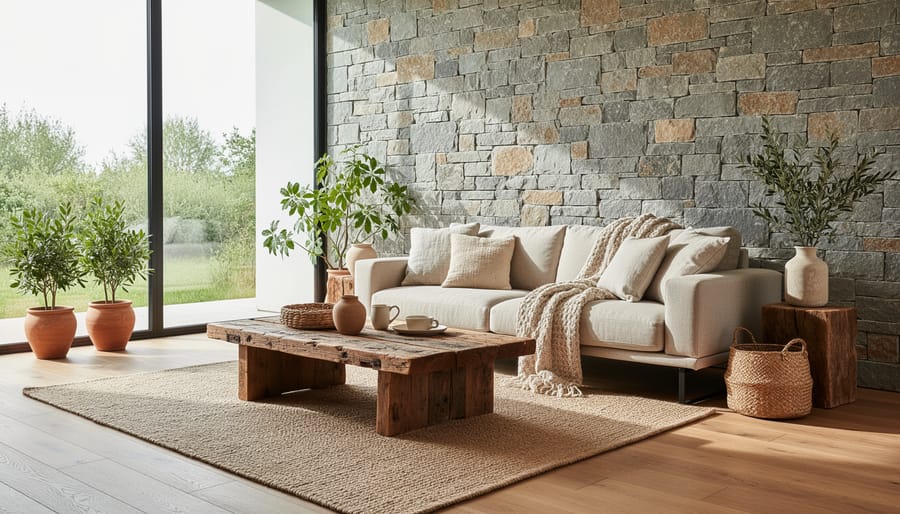
In 2026, we’re seeing a beautiful shift toward materials that celebrate the earth’s raw beauty and authentic character. Reclaimed wood is taking center stage in homes everywhere, bringing warmth and history into modern spaces. Think weathered barn wood transformed into stunning accent walls, or salvaged timber repurposed as floating shelves and dining tables. Each piece tells its own story while reducing environmental impact—a win-win that conscious homeowners are embracing wholeheartedly.
Natural stone is making a powerful comeback too, moving beyond standard granite countertops. We’re seeing limestone, travertine, and slate used in unexpected ways, from textured fireplace surrounds to organic-shaped coffee tables. These materials add tactile richness that synthetic alternatives simply can’t replicate.
When it comes to fabrics, organic textiles are revolutionizing our living spaces. Linen curtains, hemp upholstery, and organic cotton throws aren’t just better for the planet—they bring breathable comfort and understated elegance to every room.
Ready to incorporate these materials? Start small with one statement piece, perhaps a reclaimed wood headboard or natural stone accent. Consider collaborating with certified sustainable suppliers who can guide you toward ethically sourced options that match your vision. The beauty of natural materials lies in their imperfections, so embrace the unique variations that make your space authentically yours.
Innovative Sustainable Options
Sustainability is no longer just a buzzword—it’s becoming the foundation of thoughtful design in 2026. The good news? Going green doesn’t mean sacrificing style or breaking the bank. Today’s eco-friendly materials are just as beautiful as their traditional counterparts, and often more innovative.
Reclaimed wood remains a favorite, bringing warmth and character while giving new life to old materials. You’ll also see mushroom-based leather alternatives appearing in upholstery and wall coverings, offering a cruelty-free option that’s surprisingly durable and visually stunning. Cork, bamboo, and recycled metal are making their way into everything from flooring to light fixtures, proving that sustainable choices can be seriously chic.
What’s exciting is how accessible these options have become. Many local suppliers now carry eco-friendly materials at competitive prices, and working with certified professionals can help you identify the best sustainable choices for your specific space and budget. They can guide you toward products with legitimate environmental credentials, avoiding the greenwashing that sometimes clouds the marketplace.
The beauty of sustainable design is that it often means investing in fewer, higher-quality pieces that last longer—a philosophy that’s both environmentally and financially smart. This approach blends creativity with practicality, helping you create spaces that feel good in every sense of the word.
Furniture Styles and Arrangements Reshaping Spaces
The Rise of Sculptural Furniture
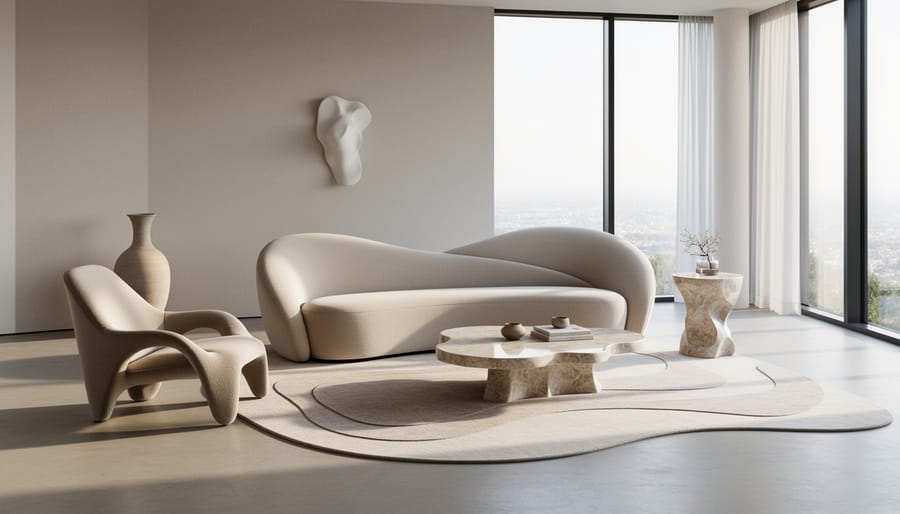
Furniture is stepping into the spotlight as functional art in 2026, with sculptural pieces becoming the centerpiece of thoughtfully designed rooms. Think organic, flowing curves that challenge traditional furniture forms—chairs with wave-like backs, tables with asymmetrical bases, and sofas that look like they’ve been hand-sculpted from clay.
These statement pieces blur the line between furniture and sculpture, transforming everyday objects into conversation starters. You’ll notice rounded edges replacing sharp corners, with designs inspired by nature’s fluid forms rather than rigid geometry. Materials like molded plywood, carved stone, and resin bring these artistic visions to life.
The beauty of this trend is its accessibility. You don’t need to furnish an entire room with sculptural pieces—one standout chair or a uniquely shaped coffee table can elevate your whole space. When choosing sculptural furniture, consider working with certified interior designers who can help you balance bold artistic statements with practical living needs.
Start small if you’re new to this trend. A sculptural accent chair or an organically shaped side table lets you experiment without overwhelming your space. The key is selecting pieces that genuinely speak to you while still serving their intended purpose—after all, even the most beautiful chair needs to be comfortable enough to actually sit in.
Multi-Functional Solutions for Modern Living
As we move into 2026, smart homeowners are embracing multi-functional furniture that works harder for their spaces. Think beyond the traditional coffee table: picture one with hidden storage compartments for blankets and books, or better yet, a lift-top design that transforms into a work surface when you need it.
Sofa beds have evolved dramatically, now featuring sleeker profiles and memory foam mattresses that rival traditional beds. For dining areas, extendable tables remain popular, but 2026 brings versions with built-in charging stations and adjustable heights that shift from dining to standing desk mode.
Modular shelving systems are gaining momentum too, allowing you to reconfigure your storage as your needs change. Wall-mounted units that fold down into desks or dining tables are perfect for studio apartments or multi-use rooms.
Consider ottomans that open for storage while serving as extra seating, or benches with shoe storage underneath for entryways. Even headboards are getting multifunctional upgrades with integrated nightstands and reading lights.
When selecting these pieces, working with certified interior designers can help you choose options that genuinely enhance your lifestyle rather than just looking clever. The key is finding furniture that blends seamlessly into your aesthetic while solving real organizational challenges.
Lighting That Does More Than Illuminate
Lighting is having a major glow-up in 2026, transforming from a purely practical consideration into one of the most dynamic design elements in your home. Think of it as the unsung hero that’s finally getting its moment in the spotlight—and it’s about so much more than just brightening a room.
The biggest shift we’re seeing is lighting’s role as a wellness tool. Smart lighting systems now sync with your natural circadian rhythms, automatically adjusting color temperature throughout the day. Morning light comes in crisp and energizing with cooler tones, while evening settings shift to warmer, amber hues that signal your body it’s time to wind down. These systems integrate seamlessly with voice assistants and smartphone apps, making it easier than ever to create the perfect ambiance without touching a single switch.
Layered lighting is becoming the gold standard for 2026 interiors. Instead of relying on one overhead fixture, designers recommend combining ambient, task, and accent lighting to create depth and flexibility. Picture a living room with recessed ceiling lights for general illumination, a sculptural floor lamp for reading, and LED strips highlighting architectural features or artwork. This approach gives you complete control over your space’s mood and functionality.
Statement fixtures are also taking center stage as sculptural art pieces. We’re seeing oversized pendants, asymmetrical designs, and fixtures incorporating natural materials like rattan or handblown glass. These aren’t just light sources—they’re conversation starters.
For those considering upgrades, working with a certified electrician ensures your new lighting systems are installed safely and efficiently. The investment pays off through energy savings, enhanced wellbeing, and a home that adapts beautifully to every moment of your day.
Bringing Nature Indoors: Biophilic Design Elements
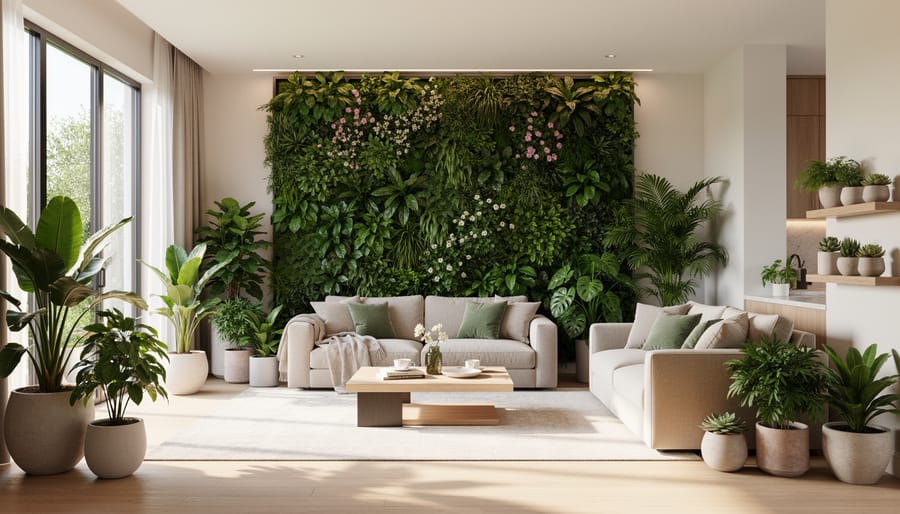
The connection between nature and wellbeing continues to deepen in 2026, with biophilic design elements becoming essential rather than optional in modern homes. This approach goes beyond simply adding greenery—it’s about creating spaces that fundamentally reconnect us with the natural world, and the benefits are backed by solid science.
Research shows that biophilic design reduces hospitalization time, highlighting just how powerful these elements can be for our overall wellness. In your home, this translates to reduced stress, improved focus, and better air quality.
Starting small makes sense for most homeowners. Indoor plants remain the most accessible entry point—think low-maintenance varieties like pothos, snake plants, or ZZ plants if you’re new to plant parenthood. NASA research confirms that plants capture harmful toxins from indoor air, making them functional as well as beautiful.
Living walls are gaining traction in 2026, with modular systems now available that make installation surprisingly manageable for DIY enthusiasts. These vertical gardens create stunning focal points while maximizing limited floor space.
Natural light maximization continues evolving too. Consider removing heavy window treatments in favor of sheer, light-filtering options, or strategically placing mirrors to bounce daylight deeper into rooms. If working with a certified interior designer, they can help assess your space’s light patterns and recommend optimal solutions.
Nature-inspired patterns are appearing everywhere—from wallpapers featuring organic shapes to textiles with botanical motifs. The key is choosing designs that feel calming rather than overwhelming. Think soft, flowing patterns that mimic water ripples or gentle leaf formations rather than bold jungle prints.
Technology Integration That Feels Invisible
The 2026 home is getting smarter, but you’d never know it just by looking. The latest trend in technology integration is all about making your smart features disappear into the design itself, creating spaces that feel thoughtfully crafted rather than gadget-filled. Think of it as technology that works hard behind the scenes while your beautiful design takes center stage.
Gone are the days of visible charging cables snaking across countertops or bulky smart speakers disrupting your carefully curated shelves. Instead, furniture makers and designers are building charging stations directly into nightstands, console tables, and kitchen islands. These hidden ports keep devices powered up without the visual clutter. Similarly, speakers are now being integrated into walls, ceilings, and even light fixtures, delivering premium sound quality without compromising your aesthetic vision.
Window treatments have also gotten the invisible tech upgrade. Automated blinds and shades that respond to sunlight or voice commands now come in sophisticated fabrics and styles that look completely traditional at first glance. The motors are whisper-quiet and concealed within sleek hardware that blends seamlessly with any design scheme.
The key to getting this right is planning technology alongside your design elements from the very beginning. Consider where outlets need to be hidden, how wiring can be concealed, and which features truly enhance your daily life. When you’re working with contractors or designers, bring up your technology wishes early in the conversation. This proactive approach ensures everything integrates smoothly, creating a home that’s both beautifully designed and effortlessly functional for modern living.
Maximalism vs. Minimalism: Finding Your Balance
The great design debate of 2026 isn’t about choosing sides anymore. Instead, we’re witnessing an exciting evolution where maximalism and minimalism are both getting thoughtful makeovers that make them more livable and personal than ever before.
Enter “intentional maximalism,” where more is indeed more, but with purpose. This isn’t about cluttering every surface with tchotchkes. Think curated collections displayed with breathing room, bold patterns mixed with confidence, and layered textures that each earn their place in the room. The key difference? Every item tells a story or serves a function, making your space feel abundant without overwhelming.
On the flip side, “warm minimalism” is rescuing minimalist design from its cold, sterile reputation. This approach keeps the clean lines and uncluttered surfaces we love but adds soul through natural wood tones, soft textiles, and thoughtfully placed decorative objects. Imagine a pared-down space that still feels like a welcoming hug rather than a museum.
So which path is right for you? Consider your lifestyle honestly. Do you thrive surrounded by visual interest and cherished objects, or does a cleaner slate help you think clearly? There’s no wrong answer. Many homeowners are even blending both approaches, keeping busy family areas minimal for easy cleanup while letting bedrooms or home offices express maximum personality.
If you’re unsure where to start, consulting with certified interior design professionals can help you identify your natural inclinations and create a balanced approach that genuinely reflects how you live. The beauty of 2026’s design landscape is that authenticity trumps rigid rules every single time.
How to Start Incorporating 2026 Trends Today
You don’t need to wait until 2026 to start refreshing your space with these emerging trends. The beauty of interior design evolution is that you can begin making small, intentional changes right now that will keep your home feeling current and personal. The key is to start with what speaks to you most and build from there, without overwhelming your budget or your schedule.
Here’s how to begin your design journey thoughtfully:
- Walk through your home and identify which rooms feel most outdated or disconnected from your current lifestyle needs.
- Choose one or two trends that genuinely resonate with you rather than trying to incorporate everything at once.
- Start with smaller, reversible changes like swapping throw pillows, adding plants, or rearranging furniture to test new layouts.
- Gradually introduce larger updates such as paint colors or storage solutions that align with your chosen trends.
- Document your progress with photos to track how your space evolves and what works best for your lifestyle.
If you’re working with a tight budget, focus on high-impact, low-cost updates first. Painting an accent wall in an earthy terracotta or sage green instantly modernizes a room. Swapping out hardware on cabinets and furniture creates a surprisingly fresh look for minimal investment. Consider rearranging existing pieces to create better flow and functionality before purchasing anything new.
For those ready to invest a bit more, partnering with certified design professionals can help you make strategic choices that maximize your budget. They can guide you toward durable materials and timeless applications of current trends that won’t feel dated quickly. Remember, the goal isn’t perfection overnight but creating a home that evolves beautifully alongside your needs and preferences.
As we look ahead to 2026, the interior design landscape is brimming with exciting possibilities that balance innovation with timelessness. From the embrace of warm, earthy color palettes and sustainable materials to the celebration of curved furniture and biophilic elements, these trends reflect our collective desire for homes that nurture well-being while expressing individuality.
The beauty of interior design lies in its flexibility. You don’t need to adopt every trend to create a space that feels current and inspiring. Instead, choose the elements that genuinely resonate with your lifestyle and aesthetic preferences. Perhaps you’re drawn to the warmth of terracotta tones, or maybe the idea of incorporating more natural light through strategic mirror placement speaks to you. The key is selecting what makes your heart sing.
Remember, working with certified interior designers or decorators can help you navigate these trends thoughtfully, ensuring choices that work harmoniously within your existing space and budget. Whether you tackle projects yourself or collaborate with professionals, approach updates with creativity and practicality in mind.
Ultimately, the most successful interior design isn’t about following every trend but about creating a home that feels authentically yours—a space where fresh ideas enhance rather than overshadow your personal story.