
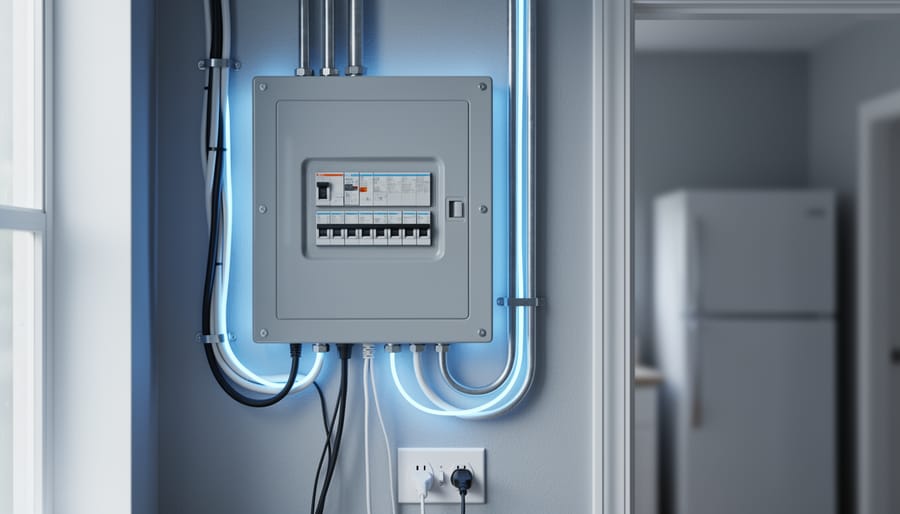
V-Energy: The Hidden Cost Lurking in Your Power Bill (And What It Really Means)
V-energy isn’t some new green technology or trendy power source. It’s simply the product of voltage and current in your home’s electrical system, and understanding it can cut your energy bills by 10 to 30 percent while helping you choose appliances that actually deliver on their efficiency promises.
Most homeowners see “voltage” listed on appliance labels and assume it’s a fixed detail they can’t control. But voltage fluctuations in your home directly affect how much energy your refrigerator, air conditioner, and other major appliances consume. When voltage runs higher than the standard 120 volts common in North American homes, your devices pull more power than necessary. When it drops too low, motors work harder and waste energy trying to maintain performance.
The confusion around v-energy stems from how manufacturers rate their products. That energy guide sticker on your new washing machine? It assumes perfect voltage conditions that rarely exist in real homes. Your actual costs depend on your home’s specific electrical characteristics, the age of your wiring, and how many devices share circuits during peak use.
Here’s what makes this worth your attention in 2026: smart home technology now lets you monitor voltage patterns room by room, and modern voltage regulators have become affordable enough for typical homeowners to install. Working with certified electricians, you can identify which circuits waste the most energy and take targeted action. The payoff isn’t just lower bills. Stable voltage extends appliance lifespan, reduces that annoying dimming when the AC kicks on, and helps you make smarter decisions when upgrading major systems. You’re not chasing marginal savings. You’re taking control of a fundamental aspect of home efficiency that most people never think about.
What V-Energy Actually Means for Your Home
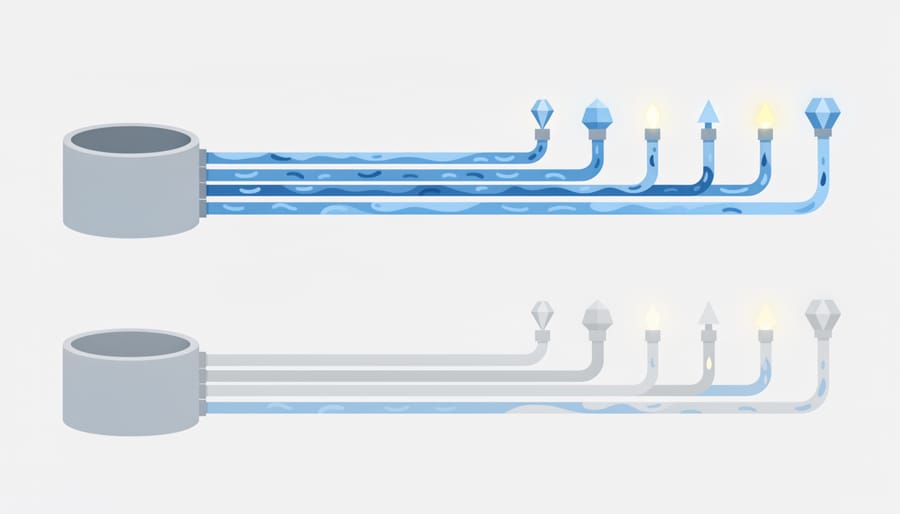
Think of your home’s electrical system like the water pipes running through your walls. Just as water pressure determines how forcefully water flows from your taps, voltage determines how electrical energy moves through your circuits to power your appliances. This pressure, measured in volts, doesn’t directly appear as a line item on your electricity bill, but it plays a crucial role in how much energy your appliances actually consume.
Here’s where it gets interesting for your wallet. Your electricity provider charges you for kilowatt-hours, which measures the actual energy your appliances use over time. However, when voltage levels aren’t optimal, your appliances have to work harder to deliver the same performance. A refrigerator designed to run efficiently at 120 volts might struggle when voltage drops to 110 volts, drawing more current to maintain its cooling. That extra effort translates directly into higher energy consumption, even though you’re getting the same result: cold milk for your morning coffee.
The voltage-energy relationship matters because it’s invisible until you know to look for it. Your air conditioner, washing machine, and other motor-driven appliances are particularly sensitive. When voltage sags below ideal levels during peak usage times, these devices compensate by pulling more current. Think of it like climbing stairs, your legs do more work going uphill than on flat ground, even though you’re covering the same vertical distance. The appliance reaches its target performance, but the energy meter spins faster.
Most Australian homes receive power at around 230 volts, with acceptable variations typically between 216 and 253 volts. Within this range, quality appliances handle fluctuations reasonably well. But consistent operation outside these boundaries creates a double problem: your devices consume excess energy while simultaneously experiencing accelerated wear. You’re paying more now while shortening the lifespan of expensive appliances, a hidden cost that compounds over years of use.
How Voltage Fluctuations Silently Drain Your Wallet
The Appliances Most Vulnerable to Voltage Variations
Refrigerators and freezers top the list of voltage-sensitive appliances because they run continuously and rely on precisely calibrated compressors. When voltage dips even slightly, these motors work harder to maintain temperature, consuming more energy and wearing out faster. A fridge struggling with inconsistent voltage can add 15-20% to your monthly electricity costs while shortening its lifespan by years.
HVAC systems face similar challenges. Your air conditioner or heat pump contains powerful motors and compressors that demand stable voltage to operate efficiently. Low voltage forces these systems to run longer cycles to reach your desired temperature, driving up bills and stressing components that cost thousands to replace.
Washing machines and dryers are particularly vulnerable during their motor-intensive cycles. Voltage fluctuations during spin or heat cycles cause these appliances to draw excessive current, which translates to wasted energy and premature motor failure. Following laundry best practices matters, but stable voltage ensures your machines actually deliver efficient performance and helps save on laundry costs long-term.
Electronics with motors or heating elements, like microwaves, dishwashers, and electric water heaters, also suffer under voltage stress. These appliances convert electrical energy to mechanical work or heat, and voltage inconsistencies disrupt that conversion, forcing them to compensate by drawing more power than necessary.
What Optimal Voltage Looks Like in Your Home
Most homes in North America should maintain a steady voltage between 114 and 126 volts, with 120 volts being the sweet spot. In other regions using 230-volt systems, you’re looking for a range of 216 to 253 volts. These aren’t just arbitrary numbers, they represent the zones where your appliances work as intended without wasting energy or wearing down prematurely.
You’ll know your voltage is off when lights flicker without reason, motors hum louder than usual, or that refrigerator compressor kicks on and off more frequently than it should. These aren’t quirks; they’re symptoms of voltage straying outside its healthy range.
Think of optimal voltage like the right water pressure in your shower. Too low, and everything takes longer to heat up or run properly. Too high, and you’re stressing components that weren’t designed to handle the extra push. Your microwave might heat food faster at higher voltage, but it’s also burning through its lifespan faster.
Most modern appliances include voltage tolerance information on their specification plates, usually found on the back or bottom. Check these against your home’s actual levels. If you’re consistently running near the edges of the acceptable range, say, 113 volts or 127 volts, you’re in the gray zone where inefficiency creeps in and repair bills start looking more likely.
Simple Ways to Monitor and Optimize V-Energy at Home
Tools and Devices That Help You Track Voltage
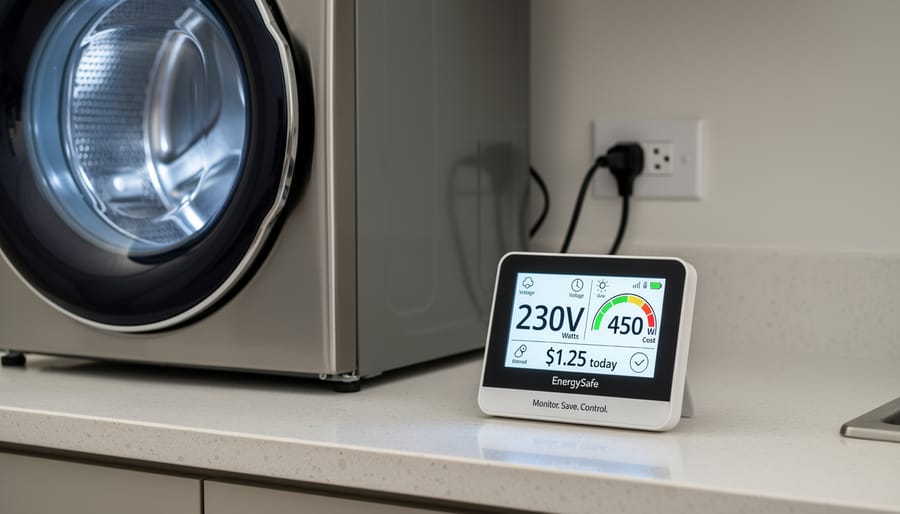
Tracking voltage at home doesn’t require an electrician’s toolkit. A basic digital multimeter ($20-40) gives you instant readings when you plug it into any outlet. These handheld devices show whether your voltage sits in the healthy 120V range (typically 115-125V in North America). For around $50, you can upgrade to a voltage monitoring plug that stays in your outlet and displays real-time readings on an LED screen.
Smart plugs with voltage monitoring ($25-60) take this further by connecting to your phone. They track voltage patterns throughout the day, helping you spot fluctuations that might reduce appliance strain and extend equipment life. Look for models that log historical data and send alerts when voltage drops below safe levels.
For serious monitoring, whole-home energy trackers ($150-300) install at your breaker panel and monitor every circuit. These show which appliances draw the most power and reveal voltage inconsistencies across different rooms, useful if you’re maximizing space with efficient storage solutions and multiple appliances.
When choosing a monitoring device, prioritize accuracy (±2% or better), easy-to-read displays, and data logging if you want to track trends. Start with a simple plug-in monitor for high-value appliances like your refrigerator or HVAC system, then expand as needed.
When to Call in a Professional
If you’re consistently getting voltage readings below 114V or above 126V, it’s time to call a licensed electrician. These persistent deviations signal problems beyond what monitoring tools can solve, potentially loose connections at your main panel, issues with your utility’s supply, or wiring that can’t handle your home’s electrical load.
Contact a professional immediately if you notice lights dimming when major appliances start, frequent circuit breaker trips, or buzzing sounds from outlets and switches. These aren’t minor inconveniences; they’re warning signs of electrical problems that can damage expensive appliances or create safety hazards. A burning smell near outlets or warm wall plates also demands urgent professional attention.
Older homes, particularly those built before 1980, benefit from professional electrical assessments even without obvious symptoms. Your wiring might not meet current electrical codes, and an electrician can identify whether your system handles modern appliance loads safely. They’ll check your main panel capacity, examine wire gauge throughout your home, and verify proper grounding.
When selecting an electrician, verify they hold current licensing for your state and carry liability insurance. Ask specifically about their experience with residential voltage issues and whole-home electrical assessments. A qualified professional will test voltage at multiple points, inspect your service entrance, and provide a written report with specific recommendations.
Expect to pay between $150-$300 for a comprehensive electrical inspection in 2026, though costs vary by region and home size. This investment prevents the much steeper expense of replacing appliances damaged by chronic voltage problems, or worse, dealing with electrical fires. Your home’s electrical system isn’t the place for DIY experimentation.
Choosing Energy-Efficient Appliances with V-Energy in Mind
When you’re shopping for new appliances in 2026, voltage tolerance isn’t usually printed on the box in bold letters, but it should be a bigger part of your decision-making process. Appliances designed with better voltage regulation don’t just survive power fluctuations; they use less energy doing it.
Start by looking for appliances with built-in voltage stabilization or wide voltage range capability. Many modern refrigerators, air conditioners, and washing machines now include automatic voltage regulators that adjust performance when incoming power varies. This feature keeps energy consumption steady even when your neighborhood experiences voltage dips during peak usage hours. You’ll see this advertised as “wide voltage operation” or “voltage compensation technology,” and it’s worth paying extra for on high-wattage appliances that run constantly.
Certifications matter more than ever. The Energy Star label remains valuable, but in 2026, look specifically for appliances that meet the newer Energy Star Most Efficient designation, which includes stricter voltage efficiency standards. UL certification with specific voltage range testing provides additional assurance. European appliances often list IEC voltage tolerance ratings, which indicate how well the device performs across a 180-260V range rather than just at the standard 230V.
| Feature Type | Energy Benefit | What to Look For |
|---|---|---|
| Automatic Voltage Regulation | Maintains consistent efficiency during voltage fluctuations | “AVR,” “wide voltage range,” or 180-260V operating range in specs |
| Inverter Technology | Reduces energy waste by adjusting compressor speed to voltage | “Digital inverter” or “variable speed compressor” on refrigerators and AC units |
| Power Factor Correction | Minimizes reactive power loss | Power factor rating above 0.9 in technical specifications |
| Surge Protection | Prevents damage that leads to inefficient operation | Built-in surge suppression or MOV (metal oxide varistor) protection |
Inverter-driven compressors represent one of the biggest advances in voltage-efficient design. Unlike traditional on-off compressors, inverter models adjust their speed based on demand and available voltage, which means they draw less current during low-voltage periods and never waste energy ramping up from a complete stop. This technology has moved beyond refrigerators into dishwashers, dryers, and even some vacuum cleaners.
Check the nameplate data on display models. The voltage range should be clearly listed. If an appliance only operates efficiently at exactly 220-240V with no tolerance margin, it will struggle with real-world voltage variations and cost you more over its lifetime.
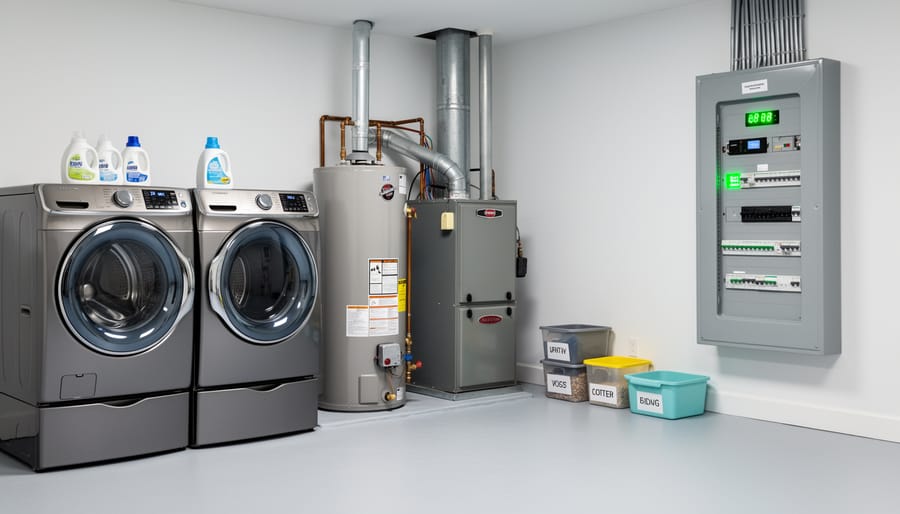
Finally, consider how appliances fit into your overall home energy strategy. Pairing voltage-stable appliances with smart organization of your electrical loads means you’re not just buying efficient devices, you’re creating an efficient system. Coordinate with a certified electrician during installation to ensure proper circuit allocation, especially for major appliances. They can verify that your new purchases will receive stable power and recommend dedicated circuits where needed.
Understanding v-energy isn’t just about mastering a technical concept, it’s about taking real control of your home’s energy efficiency and your monthly bills. When you recognize how voltage affects everything from your refrigerator’s performance to your air conditioner’s lifespan, you’re equipped to make smarter decisions that pay off year after year.
The good news? You don’t need an engineering degree to benefit from this knowledge. Simple steps like monitoring voltage levels with accessible tools, choosing appliances designed to handle voltage variations, and knowing when to call in a certified electrician can transform how your home uses energy. These aren’t complicated fixes requiring major renovations, they’re practical adjustments that fit seamlessly into your everyday life.
Think of voltage optimization as one of those rare home improvements that keeps giving back. Stable voltage means your appliances work more efficiently, last longer, and consume less electricity doing the same job. That translates directly to lower energy bills and fewer replacement costs down the road.
You’ve already taken the most important step by understanding what v-energy means for your home. Now it’s time to put that knowledge to work. Start with a voltage check, evaluate your most energy-hungry appliances, and consider whether your home could benefit from better voltage management.
Your home’s energy efficiency is within your control. Armed with the right information and a few simple tools, you can create a more efficient living space that’s kinder to both your wallet and the environment. That’s the real power of understanding v-energy.