
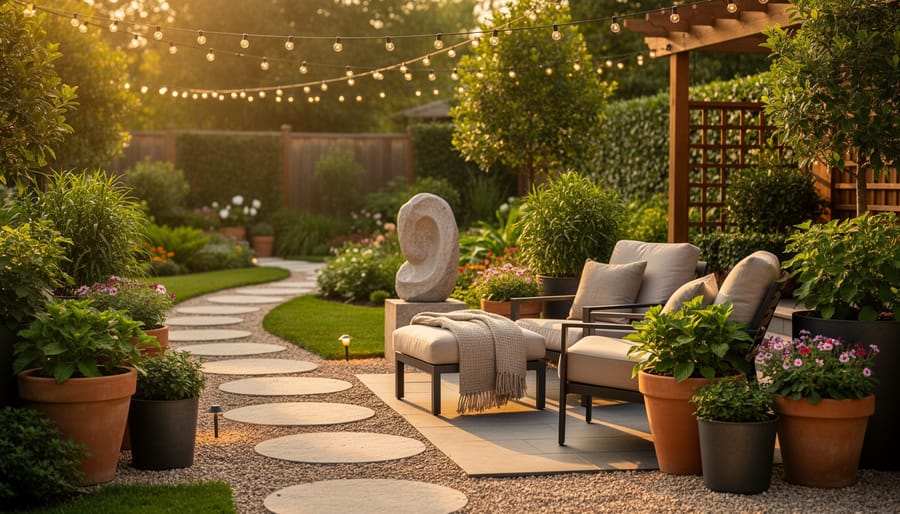
Transform Your Yard Into a Personal Retreat With These Garden and Lawn Decor Ideas
Garden and lawn decor transforms empty outdoor space into a personal retreat that reflects your style and extends your living area beyond four walls. The right combination of planters, sculptures, lighting, and functional accents can turn a flat, forgettable yard into a destination where you actually want to spend time, whether you’re working with a sprawling lawn or a compact patio.
The approach that works best starts with understanding your outdoor space as a series of zones, each with its own purpose and decorative needs. A seating area benefits from different accents than a garden path or the space near your front entrance. This zoning strategy, something landscape designers use on professional projects, helps you avoid the common mistake of scattering random decorative pieces that lack visual connection or purpose.
Material choice matters more outdoors than inside your home. Weather resistance isn’t optional. Metal sculptures rust or patina depending on the alloy, stone holds up indefinitely but weighs considerably, resin offers versatility at lower price points, and wood requires maintenance but brings warmth that other materials can’t match. The climate where you live determines which materials make practical sense for your budget and maintenance tolerance.
The best outdoor spaces in 2026 blend purchased decor with DIY elements and living plants, creating layers of texture and interest that shift with the seasons. Collaboration with a landscape professional for initial layout guidance, even if you handle the decorating yourself, prevents expensive mistakes and helps you see possibilities you might miss on your own.
Why Garden and Lawn Decor Matters More Than You Think
Your outdoor space isn’t just about having a nice-looking yard. It’s about creating an environment that genuinely improves how you live. Studies show that time in nature improves mental health reducing stress and anxiety while boosting mood and focus. When you add thoughtful decor to your garden or lawn, you’re not just beautifying, you’re building a space that invites you outside more often, extending the mental health benefits of nature right to your doorstep.
The practical advantages stack up quickly, too. Well-decorated outdoor spaces increase your home’s curb appeal dramatically. Research confirms that landscape plants increase perceived value by up to 15 percent, and the same principle applies to strategic decor elements that enhance your landscaping. A thoughtfully decorated yard signals to neighbors and potential buyers that the property is cared for and loved.
Beyond dollars and cents, garden decor transforms unused lawn into functional living space. That corner with a bench and containers becomes your morning coffee spot. The pathway lights make evening walks possible. The fountain creates a natural gathering point for conversations. You’re not just decorating, you’re reclaiming square footage and adding rooms to your home without construction permits or mortgage payments.
Think of outdoor decor as lifestyle infrastructure. It’s the framework that encourages you to actually use your yard, turning theoretical outdoor space into practical daily enjoyment.
Understanding Your Garden’s Style Personality
Matching Decor to Your Home’s Architecture
Your home’s exterior architecture provides the blueprint for outdoor decor choices that feel intentional rather than random. A Victorian home with ornate trim thrives with decorative wrought iron pieces, detailed planters, and vintage-inspired garden furniture. Craftsman-style homes pair beautifully with natural wood elements, stone accents, and mission-style lighting that echoes their built-in honesty.
Modern homes demand clean lines, think geometric planters, minimalist sculptures, and sleek metal furniture without fussy details. Colonial exteriors welcome symmetrical arrangements, classic urns flanking entryways, and traditional lantern-style lighting. If your home leans toward French Country style incorporate weathered wood pieces, lavender-filled containers, and rustic metal accents that reference pastoral charm.
Pay attention to your home’s materials and colors. Brick homes look grounded with earthy pottery and stone features, while painted siding offers flexibility to complement or contrast through decor choices. The same principles in a door style guide apply outside: match the formality level. A home with paneled front doors calls for more structured decor than one with a simple slab door.
Working With What You Have
Start by taking inventory of your yard’s permanent features before buying a single decorative piece. Those mature trees casting afternoon shade? They’re perfect anchor points for hanging planters or a cozy seating nook underneath. A natural slope that frustrates your mowing routine can become a terraced rock garden with decorative stones and cascading plants.
Look at what already works in your space. If you have existing flower beds with established perennials, choose planters and edging that echo those colors rather than competing with them. Got a drainage area or natural depression? Embrace it with a dry creek bed using river rocks and bridge elements instead of fighting the landscape.
Water features, whether intentional ponds or areas prone to pooling, offer built-in focal points. Frame them with moisture-loving plants in decorative containers and add solar lights to highlight the reflective surface at night.
The goal isn’t to mask your yard’s quirks, it’s to enhance them. That awkward corner where grass won’t grow becomes a meditation spot with a stone Buddha and ground cover. The boulder you can’t remove transforms into a natural backdrop for low-growing succulents in matching stone planters.
Essential Categories of Garden and Lawn Decor
Structural Elements and Hardscaping Accents
Structural elements give your garden bones, the framework everything else builds on. These pieces do double duty: they organize space while adding architectural interest that grounds your design choices.
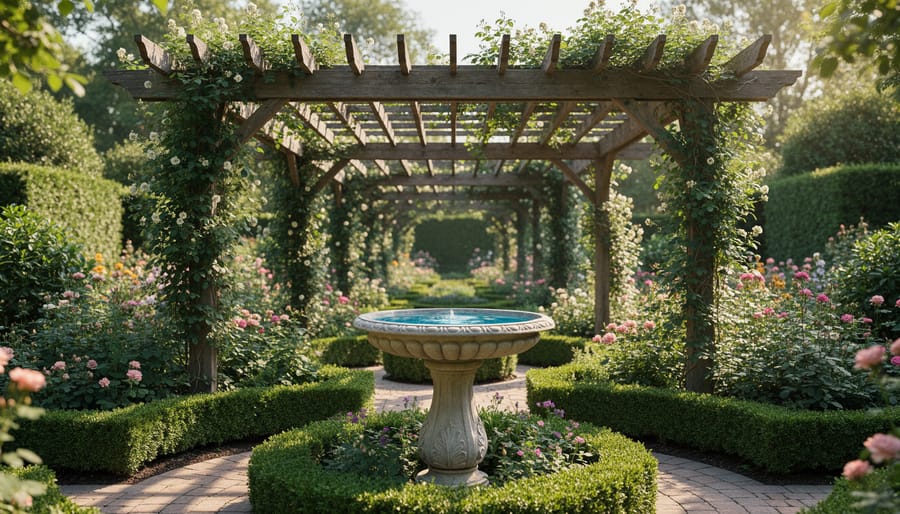
Arbors and trellises create vertical drama and support climbing plants like clematis or roses. An arbor marks a transition point, perhaps where lawn meets garden bed, while a simple trellis turns a blank wall into a living backdrop. Look for powder-coated metal or cedar construction that weathers beautifully without constant upkeep.
Pergolas define outdoor rooms without closing them off completely. They cast dappled shade, offer structure for hanging plants or lights, and turn patios into destinations. Freestanding versions work well over seating areas, while attached pergolas extend your home’s architecture into the landscape.
Decorative fencing and garden edging establish boundaries with style. Low picket sections guide the eye without blocking views. Metal or composite edging keeps mulch contained and creates clean lines between planting beds and turf. Choose materials that complement your home, wrought iron for traditional styles, horizontal slats for modern, split rail for casual country settings.
These elements anchor your design before you add a single plant or ornament.
Decorative Focal Points and Statuary
Think of focal points as the jewelry of your garden, strategically placed pieces that catch attention and reveal your personality. A well-chosen fountain becomes more than water feature; it’s a sensory anchor that brings movement and sound to quiet corners. Position it where multiple sightlines converge, and suddenly your entire yard feels intentional.
Sculptures work best when they surprise. Tuck a whimsical frog under hostas or place an abstract piece where morning light hits it dramatically. Scale matters here, a six-inch gnome looks lost in a sprawling lawn, while an oversized urn commands presence near an entryway.
Birdbaths serve double duty as wildlife magnets and vertical interest points. Choose pedestals that complement your home’s lines: ornate for Victorian styles, clean-edged for modern architecture. Gazing balls reflect surrounding plantings, multiplying color without taking up space, nestle them among low grasses or perennials rather than centering them on empty lawn.
The key? One statement piece per visual zone. Three smaller elements grouped together read as one focal point, while scattered singles create chaos rather than charm.
Container Gardens and Planters
Containers pack serious decorating punch because they work anywhere, small patios, sprawling lawns, even rental properties where permanent installations aren’t an option. A well-chosen planter instantly becomes both a growing space and a sculptural element that anchors a corner or frames an entrance.
The magic lies in mixing sizes and heights. Group three containers of different dimensions together rather than lining up matching pots in a row. Large ceramic urns make dramatic focal points flanking doorways, while smaller pots can cascade down steps or cluster on side tables. Raised beds do double duty, defining garden zones while providing ergonomic growing space that looks intentional and finished.
Material choice changes the entire vibe. Weathered terracotta suits cottage gardens, sleek fiberglass works in modern spaces, and galvanized metal adds farmhouse charm. Don’t overlook color, painted containers in bold hues or soft pastels can tie together your whole outdoor palette. The plants themselves become changeable decor you can refresh seasonally without committing to permanent landscape alterations.
Lighting That Sets the Mood
Outdoor lighting transforms your garden from a daytime retreat into an evening sanctuary while adding layers of visual interest around the clock. The right lighting extends your outdoor season and makes spaces safer and more inviting after dark.
Pathway lights guide movement while creating gentle definition along walkways and borders. String lights bring instant warmth to dining areas and patios, creating that bistro-like atmosphere that makes you want to linger outdoors. For drama, spotlights can highlight architectural plants, trees, or water features, adding depth and dimension at night.
Solar-powered options have improved dramatically in brightness and reliability, making them practical for most applications without electrical work. Lanterns, whether battery-operated, solar, or candle-fueled, add portable ambiance you can move as needed.
Layer different light sources at varying heights to avoid a flat, one-dimensional look. Warm white bulbs typically feel more inviting than cool white, creating that cozy glow that makes outdoor spaces feel like genuine living rooms under the stars.
Outdoor Furniture as Decor
Outdoor furniture anchors your garden design while defining how you’ll actually live in the space. A weathered teak bench positioned beneath a flowering tree becomes a focal point that invites contemplation, while a colorful bistro set transforms a patio corner into a charming café retreat. The key is selecting pieces that complement your garden’s style, sleek metal furniture reinforces modern landscaping, while wicker or Adirondack chairs enhance cottage gardens. Consider furniture as sculptural elements that create visual weight and balance in your layout. If you’re planning to add outdoor space think about how furniture placement will define zones and encourage gathering in your new area.
Creating Visual Interest Across All Four Seasons
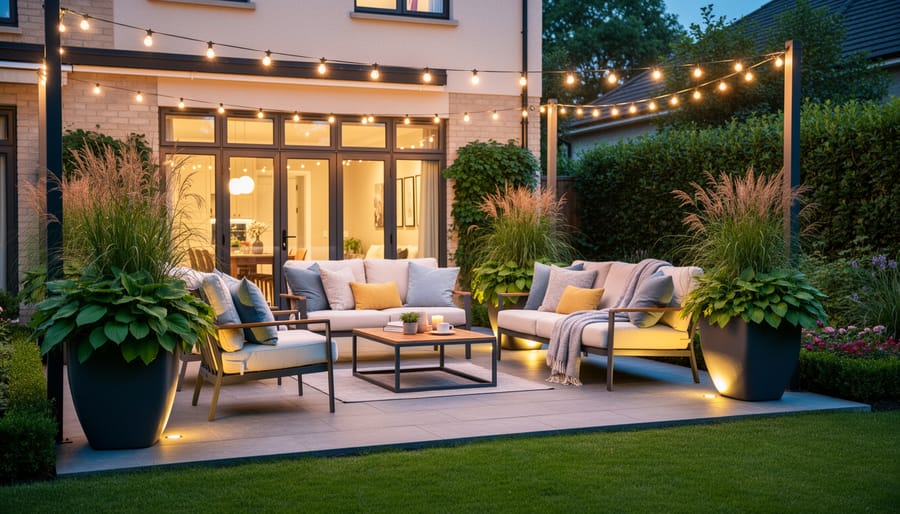
A garden that looks vibrant in June but barren in January is a missed opportunity. The key to year-round visual appeal is building layers of decor that work independently and together across seasons, rather than starting from scratch every few months.
Start with your permanent foundation pieces, structural elements like arbors, decorative fencing, and quality statuary that look intentional even against bare ground or snow. These anchor your design when seasonal plants die back. Choose weather-resistant materials for these core pieces: powder-coated metals, stone, and composite materials that won’t crack in freeze-thaw cycles.
The most successful year-round gardens use the “thirds approach”: roughly one-third permanent decor, one-third semi-permanent seasonal elements, and one-third flexible accent pieces you can swap easily. Your permanent layer might include a stone fountain and wrought-iron arbor. Semi-permanent pieces could be container gardens you refresh seasonally but keep in place. Flexible accents are lightweight items like decorative flags, seasonal wreaths for fence posts, or tabletop planters you store when not in use.
Strategic placement matters more than quantity. Position evergreen elements, like boxwood in decorative urns or dwarf conifers in statement pots, at key sightlines from windows and entry points. These provide consistent visual interest even when deciduous plants are dormant. Place seasonal rotation pieces where they’re easy to access for swapping without disrupting the entire design.
| Season | Recommended Decor Types | Material Considerations | Maintenance Tips |
|---|---|---|---|
| Spring | Colorful planters, garden stakes, decorative bird feeders | Any materials work; focus on bright colors | Clean winter debris, refresh container soil |
| Summer | Water features, string lights, outdoor textiles | UV-resistant fabrics, heat-tolerant finishes | Check irrigation, clean fountain pumps monthly |
| Fall | Harvest-themed accents, lanterns, decorative mums | Rust-finish metals, natural woods | Prepare for storage, drain water features |
| Winter | Evergreen arrangements, frost-proof statuary, subtle lighting | Freeze-thaw rated ceramics, sealed stone | Store delicate items, secure loose pieces |
Lighting deserves special attention for winter appeal. When plants are dormant, well-placed uplights on trees or pathway lighting creates structure and warmth. Solar lights won’t perform as well in shorter winter days, so invest in a few hardwired LED fixtures for your primary pathways and focal points.
Don’t overlook texture as a seasonal strategy. Ornamental grasses left standing through winter, decorative mulches, and textured containers provide visual variety when color is scarce. A galvanized metal trough looks equally intentional filled with summer annuals or winter evergreen boughs.
Smart Placement Strategies That Professional Designers Use
Professional designers approach outdoor decor placement with the same strategic eye they bring to interior spaces. Their techniques help even modest yards feel intentional and well-proportioned, and you can apply these principles yourself without formal training.
Start by establishing a focal point in each outdoor area. Your eye needs somewhere to land first, a striking fountain, a colorful bench, or a sculptural tree. Position this anchor piece where natural sightlines converge, typically at the end of a pathway or in the center of a seating area. Everything else should support rather than compete with this focal element. If you have multiple outdoor zones, each can have its own focal point, but avoid placing competing features within the same sightline.
Consider how people move through your space. Designers map traffic patterns before placing anything permanent. Decor should guide movement naturally, not obstruct it. Flank pathways with lanterns or low planters that define edges without creating barriers. Leave at least three feet of clearance on main walkways and position larger pieces like statuary or container gardens slightly off to the side rather than directly in line with foot traffic.
The concept of layering creates depth and interest. Place taller elements like trellises or topiaries toward the back or sides of a space, medium-height pieces like birdbaths or mid-sized planters in the middle ground, and lower accents like decorative edging or ground-level lights in front. This dimensional arrangement prevents your yard from reading as flat, even in small spaces.
Professional designers also think in terms of rooms without walls. When you create an outdoor room, you’re defining a functional zone through strategic decor placement rather than physical barriers. A seating area becomes distinct when you anchor it with a outdoor rug alternative like decomposed granite, frame it with container plants on either side, and add overhead definition with string lights or a partial pergola. The furniture groups the space, but the surrounding decor establishes boundaries that feel intentional without being restrictive.
Apply the rule of odd numbers when grouping items. Three planters of varying heights create more visual appeal than two or four identical ones. This principle works across all decor types, clusters of lanterns, arrangements of garden stakes, or groups of boulders all benefit from asymmetric, odd-numbered groupings that feel organic rather than forced.
Materials That Last: What to Look for When Shopping
Outdoor decor faces relentless challenges from sun, rain, freezing temperatures, and humidity. The material you choose determines whether your investment lasts a season or a decade. Here’s what actually holds up and what you’ll replace sooner than you’d like.
Weather resistance matters more than initial appearance. UV exposure degrades many plastics and fades colors over two to three years, while quality powder-coated metals and natural stone develop character rather than deterioration. Check manufacturer specifications for UV stabilization, rust-proof coatings, and frost resistance ratings before buying anything that lives outside year-round.
Resin and composite plastics offer affordability and low maintenance, making them popular for planters and lightweight statuary. Metal options range from budget steel to premium aluminum and copper, look for powder-coated finishes rather than paint, which chips and peels. Wood brings natural warmth but requires treatment every one to two years unless you choose naturally rot-resistant species like cedar or teak. Stone and concrete provide unmatched durability with substantial weight that withstands wind. Ceramic and terracotta deliver beauty but crack in freeze-thaw cycles unless specifically rated as frost-proof.
Pros
- Resin/plastic: Lightweight, affordable, won’t rust or rot, easy to move seasonally
- Metal: Long lifespan with proper coating, wide style range, holds up to extreme weather
- Wood: Natural aesthetic, can be refinished, blends seamlessly with plantings
- Stone/concrete: Essentially permanent, extremely weather-resistant, adds substantial presence
- Ceramic: Beautiful glazed finishes, excellent for focal pieces in protected areas
Cons
- Resin/plastic: Can look cheap, fades in direct sun, becomes brittle over time
- Metal: Rust risk without quality coating, conducts heat intensely, higher upfront cost
- Wood: Requires regular maintenance, susceptible to rot and insects, weathers to gray without treatment
- Stone/concrete: Heavy and difficult to reposition, expensive, can crack if poorly made
- Ceramic: Fragile when bumped, most varieties crack in freezing conditions
Maintenance requirements translate directly to long-term costs. A thirty-dollar planter that needs annual replacement costs more over five years than a seventy-five-dollar option that lasts indefinitely. Read reviews specifically mentioning multi-year ownership rather than initial impressions. Look for drainage holes in planters, replaceable parts in lighting, and finishes that hide rather than highlight weathering. The best value comes from pieces that age gracefully rather than obviously, maintaining their appeal even as they develop a patina.
Budget-Friendly Ideas That Don’t Look Cheap
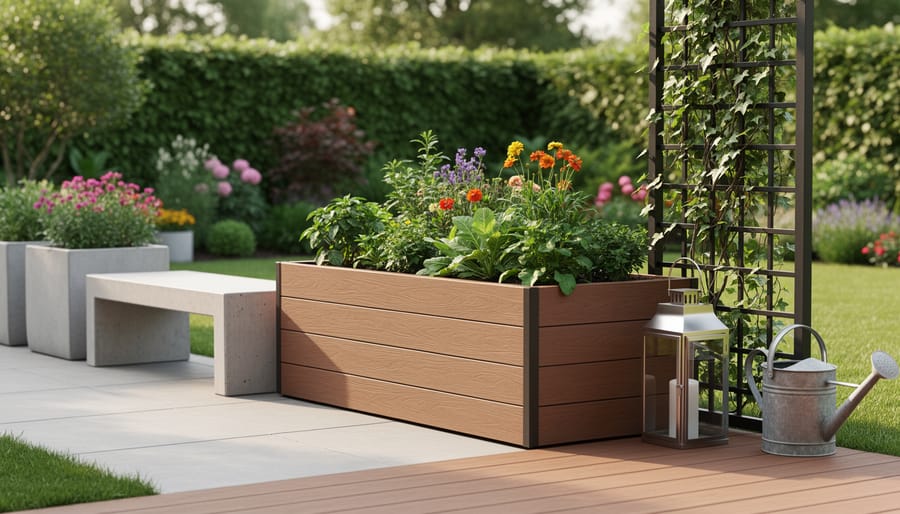
Creating an inviting garden doesn’t require a designer budget. Start with one standout piece, a distinctive planter or eye-catching sculpture, and build around it with more affordable elements. This “anchor piece” strategy gives your space a polished look without breaking the bank.
Repurposing everyday items offers endless possibilities. Old wooden crates become tiered planters when stacked and secured. Vintage watering cans transform into charming hanging baskets. Even mismatched thrift store frames can be spray-painted one color and grouped on a fence to create an outdoor gallery wall. The key is cohesion: choose a unifying element like color or material to tie disparate pieces together.
DIY projects deliver high impact at low cost. Paint inexpensive concrete pavers with stenciled designs for custom stepping stones. Fill glass jars with battery-operated fairy lights for instant ambiance. Create pathway borders using river rocks collected over time. These projects require more time than money, but the personalized results look intentional and considered.
Know where to splurge and where to save. Invest in quality pieces that face constant weather exposure, durable planters, solid furniture frames, and reliable lighting. Save on decorative accents that you’ll rotate seasonally or that sit in protected areas. Dollar store finds work perfectly for items you’ll update frequently.
Implement your vision in phases rather than all at once. Tackle one zone this month, another next season. This approach prevents visual overwhelm and budget strain while letting you learn what works in your space. Choose pieces with easy maintenance tips in mind, keeping upkeep simple and sustainable as you expand your outdoor decor over time.
Common Mistakes to Avoid When Decorating Outdoors
The most expensive mistake homeowners make with outdoor decor isn’t buying the wrong piece, it’s buying anything before they’ve thought through their overall vision. When you spot a charming garden statue or unique planter at the store and bring it home, it often ends up looking out of place because it doesn’t connect to a larger design plan. Start with a mood board or simple sketch of what you want your space to feel like, then shop with that vision in mind.
Scale problems create another layer of frustration. A fountain that looks perfect in the store can overwhelm a small courtyard or disappear in a sprawling lawn. Before you buy any decor piece, measure both the item and the intended space. A good rule: your focal point should be roughly proportional to the viewing distance, larger pieces for areas you’ll see from afar, smaller accents for intimate spaces you’ll experience up close.
Prioritizing looks over practicality catches even experienced decorators. That intricate metal garden bench might photograph beautifully, but if it’s uncomfortable or rusts after one season, you’ve wasted money and effort. Think about how you actually use your space. If you need seating for entertaining, choose comfort and durability first, then find an option within those parameters that matches your aesthetic.
Maintenance accessibility often gets ignored until you’re struggling to reach a window behind an overgrown trellis or can’t access your sprinkler valve because of decorative rocks. Leave clear paths to utilities, plan for plant growth around structures, and position decor so you can still mow, trim, and water efficiently. Your future self will thank you when routine yard care doesn’t require moving heavy statuary.
Your outdoor space holds remarkable potential to become something far beyond a patch of grass or an afterthought backyard. With the right garden and lawn decor, you’re not just arranging objects, you’re crafting an environment that welcomes you home, lifts your mood after a long day, and gives you a reason to step outside more often.
The beauty of outdoor decorating is that you don’t need to transform everything at once. Start with one area that excites you: maybe it’s a corner that catches morning light, or that bare spot along your fence line that’s been bugging you for months. Add a single focal point, experiment with lighting, or introduce containers that bring color to eye level. Small changes build momentum, and before long, you’ll find yourself naturally seeing possibilities everywhere you look.
Remember that there’s no single “right” way to decorate your garden. The choices that make you smile when you pull into your driveway, that draw you outside with your coffee, that prompt neighbors to pause and compliment, those are the right choices for your space. Your yard should tell your story, whether that’s formal elegance, cottage charm, modern minimalism, or something entirely your own.
The transformation starts the moment you decide your outdoor space deserves the same attention you give your interior rooms. Pick one project, one corner, one weekend. Your personal retreat is waiting.